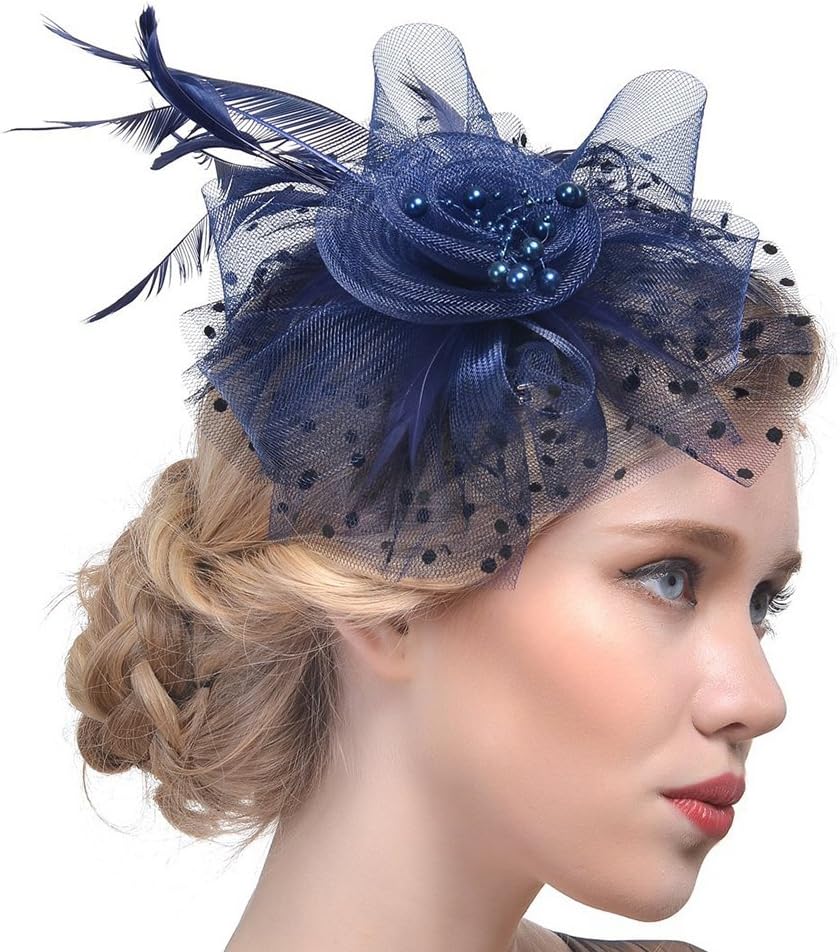
If you’ve ever stood in front of a mirror holding a cocktail-sized headpiece — a small decorative hat worn perched to one side of the head rather than pulled down over the crown, which is what makes a fascinator different from a conventional hat — and thought, how exactly does this thing stay on, you’re in excellent company. Fascinators have an attachment system built into their base, and that system is almost never explained on the product page. The three standard options are a clip (an alligator-style or barrette clip that grips a section of hair), a headband (a thin Alice-band that sits over the head), and a comb (a small toothed spine that anchors into an updo or thick hair section). Each one solves a different problem, and choosing the wrong one for your hair type or event is the single most common reason fascinators fail — or hurt. This guide maps every tradeoff so you can make the call before the package arrives.
Why Attachment Type Matters More Than Most Buyers Expect
It’s easy to focus on the feathers, the sinamay (the woven straw fabric most fascinators are made from), or the bow silhouette, and treat the attachment as an afterthought. But Harper’s Bazaar’s occasion styling coverage — specifically the feature “The Complete Guide to Derby Hats” — consistently flags comfort and security as the two axes that determine whether a hat piece makes it through a full event or ends up in a clutch by hour two. The attachment type governs both.
The stakes scale with the occasion. At a Kentucky Derby party or Royal Ascot-style garden event, you may be outdoors for four to six hours, potentially in wind. At a funeral or church service, you need something that feels composed and requires zero adjustment. At a bridal event, the fascinator is part of the photographic record — it needs to look exactly right from the moment you arrive. Each of those scenarios has a different optimal attachment.
Here’s the practical decision matrix:
| Attachment | Best for | Weakest scenario |
|---|---|---|
| Clip | Fine to medium hair, all-day events | Very short cropped hair, silky-straight styles |
| Headband | Short or cropped hair, beginners | Multi-hour wear (pressure point risk) |
| Comb | Thick hair, updos, maximum security | Loose-down styles, fine or thin hair |
The Clip: Workhorse of the Three
The alligator clip — sometimes called a barrette clip in product listings — is the attachment you’ll encounter most often in the mid-range fascinator market. It works by pinching a small horizontal section of hair between two spring-loaded teeth, much the same way a standard hair clip does. The fascinator base is sewn or glued to the top face of the clip, which then angles the piece at roughly 45 degrees when worn.
What owner reviews consistently report: Across aggregated buyer feedback for clip-attachment fascinators in the DRESHOW range, the pattern that keeps surfacing is all-day hold at active events. Multiple buyers specifically reference Derby parties and outdoor garden events where the clip held without requiring re-pinning. The ORIDOOR sinamay fascinator earns similar praise — owners note the clip stayed secure across different hairstyle configurations — though a recurring caveat in those same reviews is worth knowing: several buyers flag that the clip hardware feels less substantial than the quality of the sinamay work on the piece itself. That’s a useful signal. A well-constructed clip should feel springy and firm, not loose at the pivot point when you press it open.
The fine-hair problem: A clip that’s calibrated for medium hair will slide on very fine, slippery hair — especially if it’s freshly washed. The fix is practical: add a thin section of bobby pins underneath the clip’s lower jaw, or use a texturizing spray on the hair section you’re clipping into before attaching. Who What Wear’s accessories feature “Fascinator vs. Hat: What’s the Difference?” notes that prep work on the anchor section is the single most underused step for fascinator wearers.
Clip angle matters too. Most clips are fixed at the base, but some mid-market designs allow you to rotate the fascinator on the clip pivot so the tilt adjusts. If the product listing doesn’t specify adjustable tilt, assume it’s fixed.
The Headband: The Right Tool for Specific Hair Situations
A headband fascinator replaces the clip with a thin rigid or semi-rigid band that arches over the top of the head from ear to ear. The fascinator sits on the band rather than clipping into hair directly. This makes it the most accessible attachment for anyone with very short or cropped hair — there simply isn’t enough length for a clip or comb to grip.
Town & Country’s etiquette guide “Royal Ascot Dress Code Explained” notes that headband-mounted fascinators are among the most common styles worn at formal race days precisely because they work across a wider range of hair lengths and don’t require an updo. Vogue’s style desk feature “How to Wear a Fascinator” reinforces this — headband styles are frequently positioned as the entry-point attachment for first-time fascinator wearers because there is no technique involved: you slide it on.
What buyers report about BABEYOND’s dual-attachment designs: Several buyers purchasing the BABEYOND convertible fascinator specifically called out the headband option as the reason they chose that model, noting it was the only viable attachment for their very short hair. The accessibility of a dual-system design (more on those below) genuinely changes the purchase for this segment.
The comfort ceiling: Here’s the honest tradeoff. Headbands create a pressure point across the top of the skull. For events under two hours, this is rarely an issue. For four-plus-hour outdoor occasions, reviewers consistently describe headband discomfort becoming noticeable between the two- and three-hour mark. The fix is to look for headbands with a velvet or fabric covering rather than bare plastic, and to ensure the band isn’t too narrow — thinner bands concentrate pressure; slightly wider fabric-covered bands distribute it better.
The Comb: The High-Security Option Most Buyers Underestimate
A hair comb attachment is a small rectangular spine — usually one and a half to three inches wide — with fine teeth that push into a hair section and grip via friction. In millinery terms, it’s the closest thing to a mechanical fastener: once properly seated in dense or pinned hair, it is genuinely difficult to dislodge.
This makes the comb the right answer for windy outdoor events, for formal occasions where you cannot reach up and adjust, and for thick or textured hair that a clip might not grip cleanly. The comb seats best when pushed into a slightly teased or product-set section — not into slippery clean hair — and works especially well anchored into an updo where the comb can brace against pinned sections rather than relying entirely on friction.
The tradeoff: Combs are the attachment most likely to feel uncomfortable if improperly placed, because the teeth press directly against the scalp. Hair that’s too fine or too short will not hold a comb reliably — there isn’t enough density for the teeth to grip against. If your hair is fine or layered, back-comb (tease) the anchor section slightly before pushing the comb in.
Dual-Attachment Designs: The Smarter Buy for Uncertain Situations
An increasingly common — and genuinely useful — feature in the mid-market fascinator segment is a modular base that ships with both a clip and a headband. The BABEYOND convertible fascinator line is the clearest current example: owner reviews explain that the clip slides out of its slot in the base and the headband slides in, converting the piece between the two attachment types without tools. This is not widely explained in the product listing, which is why multiple reviewers flag it as a discovery they made post-purchase.
For buyers who aren’t certain of their hairstyle plan on the day of the event, or who share the fascinator between two people with different hair types, a dual-system design is a meaningful functional advantage. The fair question is whether the modular hardware compromises overall quality — and the review pattern suggests it doesn’t, at least not at this price tier. The convertibility is a feature of the base construction, not a workaround.
By the numbers:
- Clip-only designs: most common, widest selection, best for medium-density hair
- Headband-only: easiest to wear, most accessible for short hair, comfort limit roughly three hours
- Comb-only: highest security, best for thick or pinned hair, least forgiving of placement errors
- Dual-system (clip + headband): growing segment, particularly useful for buyers with variable or short hair
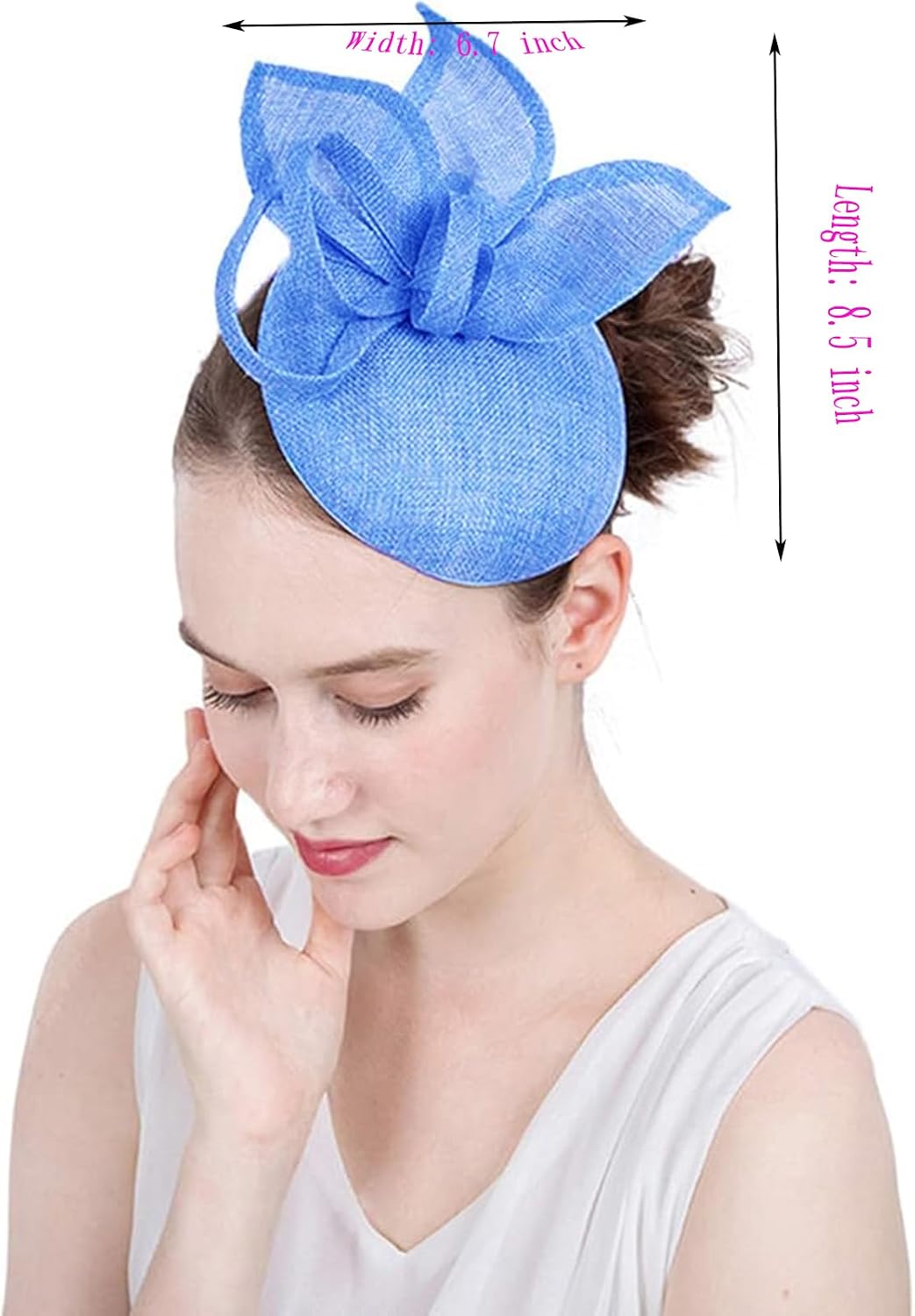
ORIDOOR
$18.99
In stock on Amazon
Check price on AmazonFrequently Asked Questions
Will the clip hold in fine or thin hair? A clip alone on freshly washed fine hair is a real risk. The fix: rough up the anchor section with a texturizing spray or a few passes of a teasing comb before attaching, and add two or three bobby pins through the lower jaw of the clip for insurance. The clip functions as a frame; the pins do the real work on slippery hair.
Can I wear a fascinator if I have very short or cropped hair? Yes — headband attachment is designed exactly for this. Several BABEYOND reviewers with very short hair specifically name the included headband as the reason the purchase worked for them. A comb will not reliably hold on crops under about two inches in length.
How do I switch between clip and headband on a dual-attachment design? On BABEYOND’s convertible models, the clip slides out of a channel in the fascinator base and the headband slides into that same channel. No tools required. The fit is snug enough that neither piece shifts during wear. If you own a different dual-system design, check the underside of the base for a slot or rail — the mechanism is usually the same.
Will the headband hurt after a few hours? Probably, past the two-to-three-hour mark, depending on band width and material. Fabric-covered, slightly wider bands are meaningfully more comfortable than narrow bare plastic ones. If you’re planning a full-day event, clip or comb will serve you better.
Which attachment is most secure for an outdoor event on a windy day? Comb in thick or pinned hair, or a clip reinforced with bobby pins. Headbands can act as a sail in strong wind — the band keeps the fascinator from flying off entirely, but it will shift and tilt. If you’re outdoors and the forecast is uncertain, a properly anchored clip beats a headband every time.
Do fascinators with both clip and headband options feel cheaper overall? Not based on what owners report across the dual-system designs currently on the market. The modular base hardware adds a functional feature without visibly degrading the sinamay or trim quality. The caveat flagged in ORIDOOR reviews — that the attachment hardware feels less robust than the rest of the hat — applies to single-attachment designs too, so it isn’t unique to dual-system pieces.
The attachment decision really does come down to a simple if-then: if your hair is short or cropped, headband. If you have medium to thick hair and need all-day hold, clip with bobby pin backup. If you’re wearing an updo to a formal outdoor event and wind is a possibility, comb. And if you’re genuinely not sure, a dual-system design gives you the flexibility to decide on the morning of the event rather than before you buy.