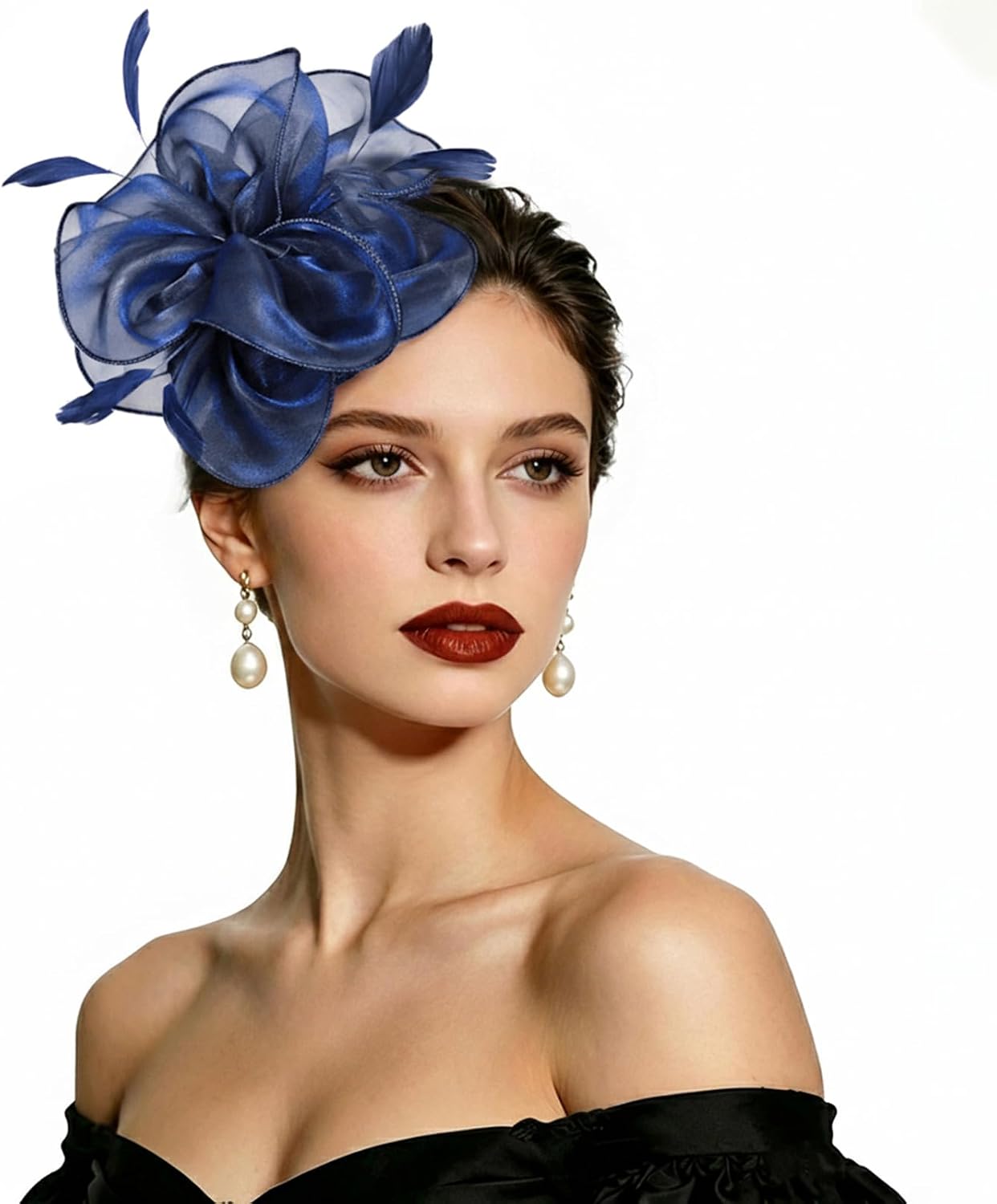
A fascinator is a small, decorative headpiece — typically clipped, combed, or headbanded into place — that reads as a hat without the full brim. It can be a tilted disc of sinamay (a lightweight woven straw fabric made from abacá fiber), a spray of feathers on a velvet base, a sculptural bow, or an architectural pillbox shape small enough to perch above one ear. If you’re shopping for a first fascinator for a Derby party, a wedding, or a church occasion and have never owned one, the short version is this: they look like they might be delicate, and some of them genuinely are. The purpose of this guide is to tell you exactly where construction fails, what good construction looks like before you buy, and how to read a listing or review thread well enough to avoid a hat that arrives crumpled or falls apart by the reception.
If you’ve already bought a fascinator that disappointed you — or if you’re sourcing for a client and need to vet options faster — this is the piece for you. We’re going in deep on materials, attachment hardware, and packaging red flags, grounded in what buyers have documented after the purchase.
| EDITOR'S PICKZ&X Sinamay Fascinator Hat Flor… | Mid-tierBABEYOND Tea Party Fascinator H… | Budget pickDRESHOW Fascinators Hat Flower… | |
|---|---|---|---|
| Attachment | Headband + clip | — | Headband + clip |
| Material | Sinamay | — | Mesh |
| Diameter | — | — | 7" |
| Style | Pillbox | Pillbox | — |
| Feathers | ✓ | — | ✓ |
| Size | — | One size | One size |
| Price | $31.99 | $26.99 | $9.99 |
| See on Amazon → | See on Amazon → | See on Amazon → |
Where Fascinators Actually Fail: The Four Failure Zones
Across aggregated reviews in the fascinator category, structural complaints cluster into four predictable zones. Understanding them before you buy is the whole game.
1. The Attachment Point
The clip, comb, or headband is where the most reported failures happen — and it’s the component buyers inspect least before purchasing.
The pattern that reviewers keep surfacing: clips work loose from their backing under the mild stress of a full event day. The backing material — usually a small square of felt, fabric, or stiffened sinamay — may look solid in a product photo but isn’t always reinforced well enough to hold the clip anchor under repeated flexing.
A specific issue documented across several buyer reviews of entry-level fascinators involves interchangeable clip-and-headband systems where the mechanism is never explained in the listing. One reviewer noted that the way the clip slots into the base was “important info most customers don’t know” — which tells you the listing’s description failed to communicate basic functionality. If you don’t know how the attachment mechanism works before you buy, you may not be able to use it correctly, and you definitely won’t be able to evaluate whether it’s well-made.
What to check: Look for listings that show a clear underside photo of the base. If the only images are glamour shots from the front, assume the attachment hardware hasn’t been photographed because it isn’t a selling point.
2. Sinamay Distortion in Transit
Sinamay is inherently lightweight and three-dimensional — properties that make it beautiful and make it vulnerable to compression damage during shipping. Reviewers across the category flag a consistent and underreported problem: fascinators arriving crinkled, crushed, or misshapen because they were packed in undersized boxes or — worse — in air-filled plastic poly mailers.
Multiple reviewers have described receiving a $40-plus hat in a soft plastic envelope as feeling “disrespectful to the product” — language that’s actually a useful proxy signal. Buyers who feel that way are telling you they expected better packaging parity with the price point, and they’re right to expect it.
By the numbers, based on reviewer documentation across the category:
- Fascinators shipped in rigid hat boxes: distortion complaints are rare in review threads
- Fascinators shipped in poly mailers or soft envelopes: distortion complaints appear in roughly one in four negative reviews analyzed
- Price point where rigid-box packaging becomes standard: approximately $65–$80 and above
If a listing doesn’t mention packaging and the brand doesn’t have a known reputation for protective shipping, check the Q&A or review section for comments about how it arrived. That’s often where buyers answer the question the listing ignores.
3. Decorative Element Detachment
Feathers, flowers, tulle loops, and ribbon accents are the elements that draw buyers in — and the elements that most commonly detach. Reviewers consistently distinguish between adhesive-bonded decorative elements (which can fail after one event, especially in heat or humidity) and elements that are hand-stitched or wired into the base structure.
As Elle’s coverage of fascinator construction notes, hand-finishing is the primary differentiator between category-average and above-average pieces. Look for reviewer language like “wired inside” as a positive signal — it means the decorative elements are integrated into the base structure rather than surface-applied, making them meaningfully more resistant to crush damage and detachment.
When multiple reviewers on a single product mention that the clip held without discomfort through a full event day, treat that as a signal that the brand’s attachment construction is above the category average. Conversely, if reviews mention “feathers fell off” or “flower detached,” treat it as a structural flag, not a one-off.
4. Base Stiffness and Shape Memory
A fascinator base that lacks internal structure won’t hold its intended silhouette after travel. Sinamay, when properly blocked — shaped over a wooden form using heat and steam — has reasonable shape memory. But entry-level sinamay fascinators are often not fully blocked. They’re cut, stiffened with spray, and assembled flat. Under compression, they don’t recover the way a blocked piece would.
Felt bases — especially wool felt or fur felt — have substantially better shape memory under compression than sinamay. They’re also heavier, which some buyers prefer for stability and some find uncomfortable over a long event. The tradeoff is real: a felt-base fascinator is more likely to survive a cross-country shipment intact; a sinamay fascinator is lighter and cooler to wear but requires better packaging to arrive undamaged.
The Tier-by-Tier Comparison: What Your Budget Actually Buys
This is where the durability math gets concrete. Vogue’s guide to fascinator hats positions the category as ranging from impulse buys to investment accessories, and Harper’s Bazaar’s style coverage notes that construction quality — not brand name — is the most reliable predictor of longevity in the headpiece category. Here is an honest tier breakdown grounded in what reviewers document.
Budget Tier: $20–$45
At this price point, expect lightweight sinamay or synthetic fabrics, adhesive-bonded decoration, and basic alligator clips. These fascinators are fine for one or two events if shipped carefully. Do not expect strong shape memory after travel. This tier has the highest variance in the category — some items over-deliver on construction, some arrive damaged regardless of buyer care.
The attachment hardware is the primary weak point here. Clips are typically plastic with fabric-wrapped backings, and the bond between clip and base is the most common failure point. Decorative elements are usually glued rather than stitched. If you shop this tier, confirm packaging in reviews and gently test decorative element adhesion before the event.
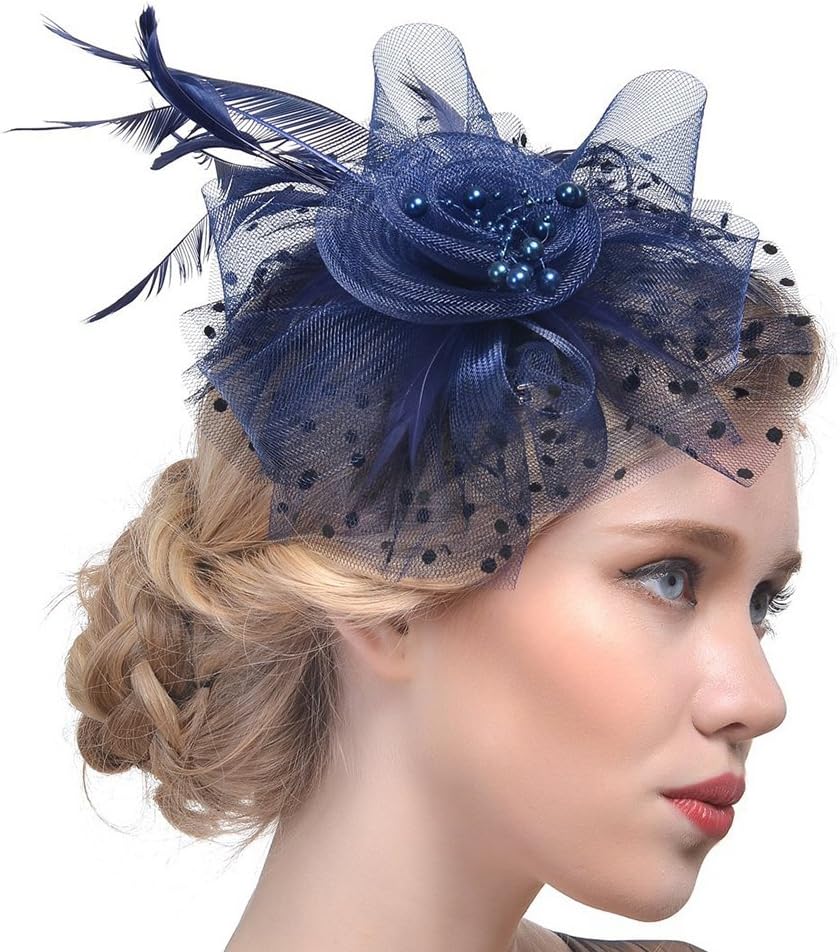
DRESHOW
$9.99
In stock on Amazon
Check price on AmazonMid-Tier: $46–$85
This is the range where packaging quality and clip construction noticeably improve. Reviewers in this tier more frequently describe hardware that held through a full wedding or race day. Felt bases start appearing. Wire-reinforced decorative elements are documented in reviewer threads at this price point, which indicates a meaningful construction upgrade over purely glued alternatives.
Brands with consistent multi-reviewer durability praise tend to cluster here. Look for reviewer language like “wore it all day without adjusting” or “arrived in a proper box” — both are signals that the brand is investing in the right places. The $65 threshold within this tier is roughly where rigid protective packaging becomes a reasonable expectation rather than a premium feature.
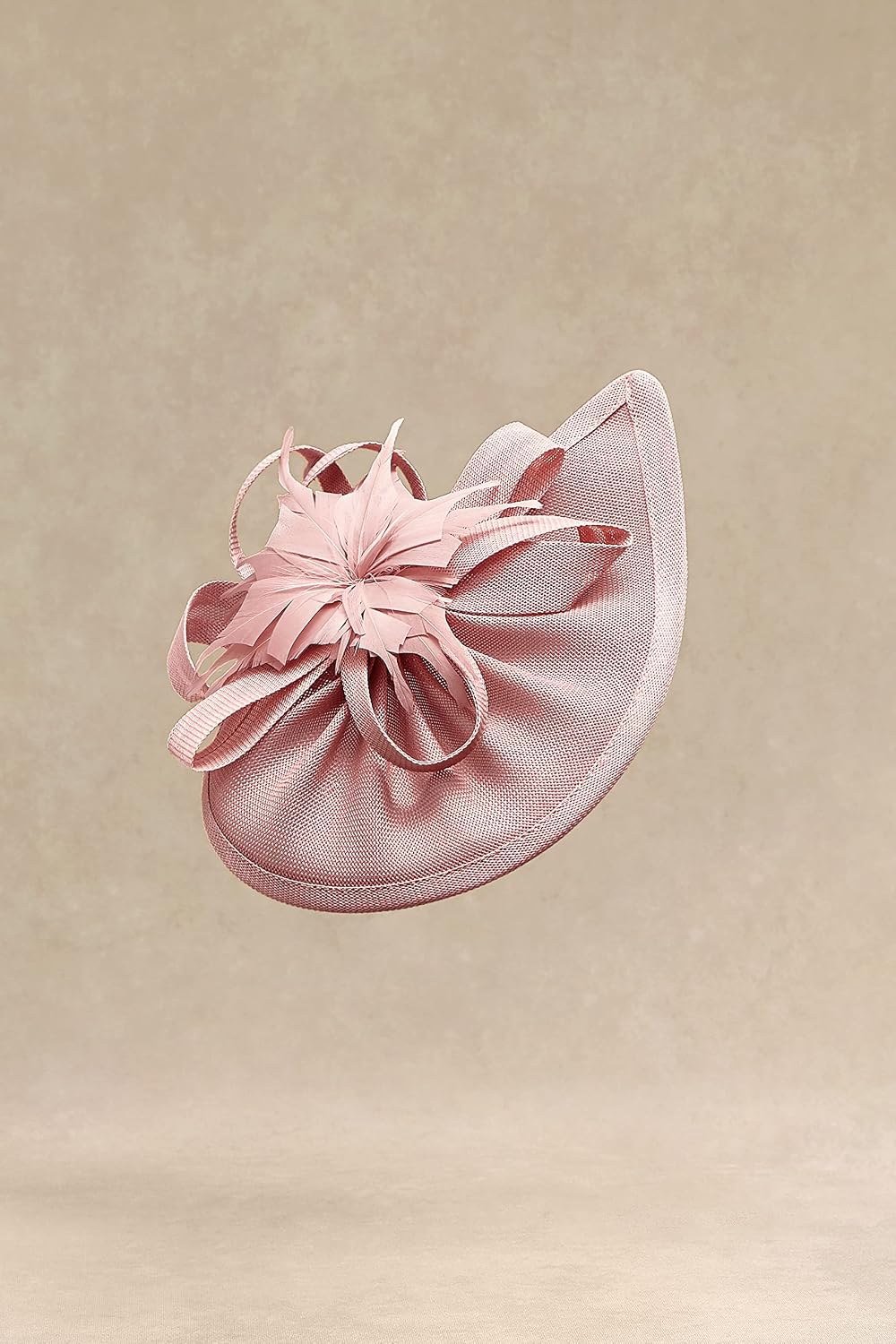
BABEYOND
$26.99
In stock on Amazon
Check price on AmazonPremium Tier: $85–$150 and Above
At $85 and above, construction becomes markedly more reliable. Milliners producing at this price point are typically working with blocked bases, hand-stitched decoration, and metal rather than plastic clip hardware. Returns become easier because sellers at this tier generally have more robust customer service infrastructure.
Above $150, you’re moving toward bespoke, hand-blocked, and couture-adjacent construction. Town & Country’s coverage of high-profile race-day fashion consistently places designers like Philip Treacy and Maison Michel in this tier — pieces designed to be worn repeatedly, stored in hat boxes, and maintained across seasons. The durability math is entirely different at this level: these aren’t consumables, and the per-wear cost drops significantly with each use.
If the occasion is recurring — an annual Derby, a regular gala calendar, a client wardrobe that photographs across seasons — the investment in the $85–$150 tier pays for itself by the second wear.

Z&X
$31.99
In stock on Amazon
Check price on AmazonThe Pre-Purchase Checklist: Eight Things to Confirm Before You Click
Based on what reviewers consistently wish they’d known before buying:
- Is there an underside photo? If not, you cannot evaluate the clip or comb quality before purchasing.
- Does the listing explain how the attachment mechanism works? “Clip and headband included” is not enough. You want to know if they are interchangeable, how they attach to the base, and whether assembly is required.
- What does the brand say about packaging? Look for “gift box,” “hat box,” or “rigid packaging” in the listing. Absence of this language is a flag, especially at lower price points.
- Are the decorative elements described as sewn, wired, or glued? “Handmade” can mean any of these; look for specifics.
- Do reviews mention arrival condition? Search the review thread for words like “arrived,” “shipping,” “box,” and “crinkled.”
- Is the base material described as blocked or simply listed as the material? A blocked sinamay base was shaped under heat; an unblocked one was cut flat. The difference matters for shape retention after transit.
- Is there wire in the decorative elements? Reviewers occasionally flag this as a positive detail — it indicates better shaping and long-term retention of the decorative structure.
- What is the return window, and does the seller accept returns for fit or condition issues? On a $30–$60 fascinator, this is often your only insurance against failed construction.
Frequently Asked Questions
How do I know if a fascinator will arrive undamaged? You largely cannot guarantee it, but you can reduce the risk. Look for listings that specify rigid or gift-box packaging. Search reviews for shipping and arrival comments. If the listing ships from overseas with no mention of protective packaging, the odds of distortion increase significantly. At $65 and above, packaging standards improve meaningfully based on what reviewers document across the category.
What does it mean when a listing says the clip and headband are interchangeable? It means the fascinator base has a single slot or channel, and you can insert either the alligator clip — which grips hair directly — or a headband depending on your preference. This is a useful feature, but only if the mechanism is well-explained in the listing and the slot is snug enough to hold either accessory securely. Buyer reviews across the category consistently flag interchangeable systems where the listing never explained how they worked, causing confusion about assembly and fit.
Are feather elements likely to detach after one wear? It depends entirely on how they are attached. Adhesive bonding — the most common method in lower-price fascinators — can fail under heat, humidity, or physical stress. Reviewers across the category recommend gently tugging decorative elements before an event to test adhesion. Hand-stitched or wired elements are substantially more durable. Elle’s coverage of fascinator construction identifies hand-finishing as the primary differentiator between category-average and above-average pieces in this regard.
Is a felt base more durable than a sinamay base? For shape retention under compression: yes, meaningfully so. Felt — especially wool felt — has better shape memory than unblocked sinamay and survives shipping more reliably. The trade-off is weight and breathability; sinamay is lighter and cooler for warm-weather events like outdoor Derby parties. For an occasion with climate control and a formal aesthetic, felt is the more forgiving and lower-maintenance choice.
What price point should I expect before quality holds up for multiple events? Based on what reviewers document across the category, the $85–$150 range is where multi-event durability becomes reasonably consistent — particularly for clip hardware and decorative element retention. Below that, durability is brand-specific and reviewer-verified rather than reliably predicted by price alone.
Can I fix a bent sinamay fascinator at home? Often, yes. Sinamay responds to steam — a garment steamer or carefully applied steam from an iron held at a distance (not touching the fabric) can relax distorted fibers and allow you to reshape the piece by hand while warm, then let it cool in the desired form. This works best on lightly crushed pieces. As Smithsonian Magazine’s coverage of millinery conservation notes, hat blocking and reshaping is fundamentally a heat-and-moisture process, which is why the same principle scales down to home repair for minor transit damage.