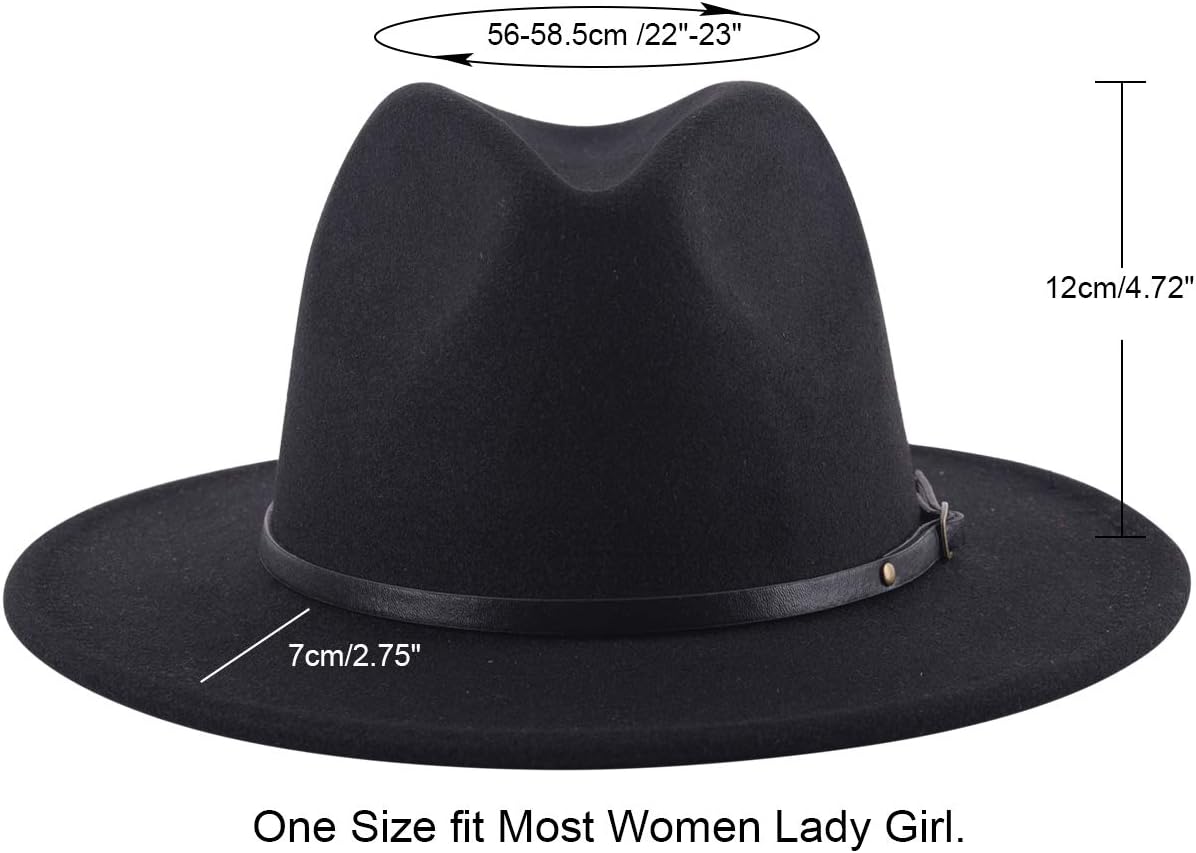
You ordered a hat for a garden party, a Derby watch event, or a wedding, and it arrived looking like it spent the last three days at the bottom of a mail truck. If you’ve never dealt with a crushed hat before, that first unboxing moment can feel genuinely alarming — the silhouette is wrong, the brim is folded where it shouldn’t be, and you’re holding an occasion piece you needed in two days. Before you spiral: some hats recover completely with nothing more than your hands and a few minutes. Others are genuinely compromised and won’t come back without professional help. The difference has almost everything to do with what the hat is made of and how the seller packaged it — two variables you can learn to read before you click purchase. This guide walks you through the full arc, from pre-purchase packaging signals to at-home reshaping to return rights, so you’re making clear-eyed decisions rather than reactive ones.
| EDITOR'S PICKFADVES Fascinators Pillbox Hat… | Mid-tierLanzom Womens Classic Wide Brim… | Budget pickFascinators Hat Clip Hat Weddin… | |
|---|---|---|---|
| Hat style | Fascinator/pillbox | Floppy Panama | Fascinator |
| Material | Straw, sinamay | Wool | — |
| Brim | — | Wide | — |
| Attachment | — | — | Clip |
| Size | Large | One size | Medium |
| Accent | — | Belt buckle | Lace bowknot |
| Price | $40.99 | $27.99 | $18.99 |
| See on Amazon → | See on Amazon → | See on Amazon → |
Why Packaging Varies So Dramatically (and What It Signals About the Hat Itself)
Here’s the honest structural reality: the hat market in 2026 spans a price range from under $30 to well over $600, and packaging investment tends to track with price — but not perfectly, and the exceptions matter.
At the mass-market end, a poly bag (the thin plastic sleeve that crunches into a mailer envelope) is the default. It’s cheap, lightweight, and keeps moisture off the hat. It does exactly nothing to protect shape. Buyers of sinamay fascinators — sinamay is a woven straw-like fabric made from abacá plant fibers, commonly used for structured fascinators and formal occasion headpieces — in the $35–$55 range have documented this gap clearly. One buyer of a FADVES sinamay fascinator noted she paid $42 and received her hat bent in a poly bag, calling out explicitly that the price and the packaging felt mismatched. She’s right to name it: sinamay is a rigid, blocked material (blocking means shaping a wet or steam-softened material over a mold and letting it dry hard), and once it’s bent, it does not reliably return to form on its own. A poly bag is the wrong vessel for it.
Move up the price ladder and the signals improve. Buyers of the Pro Celia fedora specifically noted it arrived “carefully packed in a box” and in “pristine condition” — language that shows up in reviews as relief, not expectation. A box with internal support isn’t just courtesy packaging; it’s evidence that the seller understands what they’re shipping. At the designer and bespoke tier, milliners like Gladys Tamez and Maison Michel ship in rigid branded hat boxes with tissue wrapping and often a custom insert or form — Vogue’s millinery coverage notes that hat boxes at this level are considered part of the product experience, not ancillary.
By the numbers:
- Poly bag only: most hats under $50; high damage risk for structured or blocked materials
- Poly bag + cardboard insert: common $50–$120 range; moderate protection for flexible brims
- Full rigid box with internal support form: standard above $150 at reputable retailers; low damage risk
- Custom branded hat box with tissue + form: designer tier ($300+); damage is rare, and arrival condition is typically excellent
The takeaway for practitioners sourcing in the $80–$250 tier — where you’re buying Eric Javits sun hats, Brixton wool caps, or Lack of Color wide-brims for clients — is that you cannot assume box packaging even at $150. Read the listing description for packaging language, check recent reviews specifically for arrival condition mentions, and if you’re sourcing for a client event with a hard deadline, factor in a one-to-two day reshaping buffer.
Material-by-Material: Which Hats Forgive Compression and Which Don’t
This is the core decision matrix. Packaging quality is the seller’s variable; material resilience is the hat’s variable. Understanding both lets you assess real risk.
Straw and parisisal (the most forgiving): Parisisal is a fine, tightly woven straw made from sisal fibers — lighter than sinamay, and notably more flexible. Buyers of crushable straw hats in the Lanzom line have described the full emotional arc of the damage-and-recovery experience vividly: arriving to find a smashed hat, feeling immediate upset (one reviewer used the word “rage”), then discovering the hat reshapes itself with light hand pressure and mild heat. That emotional recovery is real and worth naming. Natural straw and parisisal respond well to steam or even careful hand-fluffing because the fibers retain a memory of their original shape and the binder (typically a light starch or lacquer finish) reactivates slightly with warmth. Town & Country’s Derby hat coverage notes that packable straw is a deliberate design category — these hats are engineered to compress and recover.
Felt (fur felt and wool felt — moderately forgiving with the right tools): Fur felt — made from the felted underfur of rabbit or beaver, graded by fineness and density — is the prestige material for fedoras and structured women’s hats. It responds well to steam: the fibers relax, you can reshape the crown and brim by hand, and as it dries it holds the new position. Wool felt is coarser and more forgiving of minor compression, but heavy creases in either felt type may require a hat block (a wooden or aluminum form in the hat’s shape) to restore perfectly. Harper’s Bazaar’s hat care coverage recommends professional steaming for high-value felt hats rather than DIY attempts, specifically because amateur steaming can over-wet the felt and cause irreversible distortion.
Sinamay and blocked fascinators (the least forgiving): As noted above, sinamay’s rigidity is its defining characteristic — it’s why fascinators hold their dramatic shapes. That same rigidity means a bend or crease from shipping is structural damage, not surface damage. Unlike straw or felt, there’s no fiber memory to coax back. A FADVES sinamay buyer’s complaint about bent arrival condition is a cautionary data point: if you’re buying a sinamay fascinator for a client’s Royal Ascot or bridal event, box packaging isn’t a luxury — it’s a requirement for the material to arrive intact.
Organza and fabric fascinators (pleasantly surprising): Organza — a sheer, crisp woven fabric used for soft, layered fascinator styles — compresses but doesn’t crease the way straw or sinamay does. Buyers of the ORIDOOR organza fascinator reported expecting to need a blow dryer for reshaping and finding that hand-fluffing alone was sufficient. The fabric’s open weave and light sizing (the stiffening agent woven in) respond to gentle manipulation. This makes organza and similar fabric-based pieces more packaging-tolerant than their delicate appearance suggests.
Structured fabric and novelty fascinators (variable): BABEYOND fascinators and similar structured fabric pieces occupy a middle ground. They can benefit from careful unpacking — one buyer noted reading the instructions to discover the clip could be removed from its slot to insert a headband — which suggests that attention to packaging contents matters as much as the outer box. Check for any stiffened internal structures before attempting reshaping.
Pre-Purchase Signals: How to Read a Listing for Packaging Risk
You’ve got a client hat to source or a personal occasion piece on a timeline. Here’s the practical read-through before you commit.
Language to look for: Phrases like “arrives in a gift box,” “includes hat form,” “carefully packaged,” or “rigid box packaging” are positive signals. The Pro Celia fedora’s “carefully packed in a box” notation in buyer reviews is worth more than any listing copy because it’s unsolicited confirmation.
Language that signals poly-bag risk: “Foldable,” “packable,” “ships flat,” or simply the absence of any packaging mention in a listing for a structured hat. If the listing doesn’t mention the box, ask before you buy — most marketplace sellers will confirm.
Review filtering: Search recent reviews (2025–2026 vintage for current relevance) for the words “arrived,” “shipping,” “smashed,” “bent,” or “box.” The signal pattern across even five or six reviews will tell you the seller’s consistent practice. The Cut’s coverage of arrival damage for fashion items notes that packaging complaints are among the most emotionally consistent review categories — buyers remember and document it.
Price-to-packaging expectation calibration: If you’re paying $42 for a sinamay fascinator, acknowledge the packaging risk upfront and build in reshaping time or a backup piece. If you’re paying $280 for a Lack of Color wide-brim felt, the expectation of box packaging is reasonable — and if the listing doesn’t confirm it, contact the seller before ordering.
Frequently Asked Questions
Can a crushed straw or felt hat be reshaped at home? Often yes, but the outcome depends on material and severity. Natural straw and parisisal recover well with steam and hand pressure. Fur felt responds to a handheld garment steamer held 6–8 inches away — let the steam penetrate, reshape gently, and let it dry on a form or upside-down bowl. Wool felt is similar. Sinamay with a hard crease is the hardest case; professional millinery help is worth seeking for a valued piece.
What tools do I need to steam a hat back into shape? A handheld garment steamer is the most practical tool for home use. A kettle or stovetop pot can work for spot steaming, but controlling moisture delivery is harder and over-wetting is a real risk with felt. Have a clean, dry towel ready to blot, and a rounded form — a bowl, balloon, or hat block — to hold the crown shape while drying.
How do I tell from a listing whether a hat will arrive in a box or a poly bag? Look for explicit packaging language in the listing description. If it’s absent, check reviews for arrival condition mentions. When in doubt, message the seller directly — most will confirm. For high-stakes occasion hats with tight deadlines, this message is worth sending.
Is a hat that arrives smashed safe to return even if I’ve tried it on? Generally yes, if the damage is shipping-related rather than wear-related. Most reputable sellers distinguish between arrival damage (seller/carrier responsibility) and customer-caused damage. Document the condition with photos immediately on receipt, before attempting any reshaping. The Cut notes that timestamped arrival photos are your strongest evidence in a return dispute.
Which hat materials are most forgiving of shipping compression? In order of resilience: natural straw and parisisal, organza and open-weave fabric, wool felt, fur felt, sinamay. Crushable straw is engineered for this; sinamay is not.
Should I attempt to reshape a hat myself or contact the seller first? Contact the seller first if the hat is over $150 or if it’s a blocked sinamay or structured fabric piece. Attempting home reshaping before documenting the damage can complicate a return claim. For a sub-$80 straw or simple felt hat, home steaming is low-risk — but photograph the damage first regardless. Harper’s Bazaar’s hat care guidance consistently recommends professional steaming for any hat you’ve invested meaningfully in, and that’s sound advice for anything heading to a high-profile occasion.