If you’ve ever come home from a long day outdoors with a sunburned neck and a hat that felt like a portable sauna, you already understand why “sun hat” is not a single category. There are three fundamentally different designs solving three different problems: the neck flap hat (a structured or packable hat with a fabric panel that folds down to shield the back of your neck and ears — think legionnaire-style coverage), the ponytail hat (any style with a gap, slot, or adjustable opening at the rear crown that lets your hair pass through without heat-trapping bulk), and the wide-brim hat (typically a brim of 4 inches or more that casts a broad shadow across the face, shoulders, and chest). Each one earns its place in a specific situation. This article will help you figure out which situation is yours — and flag the real tradeoffs before you buy.
If you’re already familiar with UPF ratings (Ultraviolet Protection Factor — the fabric equivalent of SPF, measuring how much UV radiation the textile blocks) and you’re comparing specific models, you’re in the right place. We’ll work through each style by name, surface the friction points that real reviewers identify, and close with a clear decision rule.
| EDITOR'S PICKLeotruny Women Super Wide Brim… | Mid-tierFURTALK Womens Wide Brim Sun Ha… | Budget pickZOORON Women's Ponytail Safari… | |
|---|---|---|---|
| Brim type | Super wide brim | Wide brim | Wide brim |
| UPF rating | UPF50+ | — | — |
| Waterproof | Waterproof | — | — |
| Ponytail hole | — | — | Ponytail |
| Wind lanyard | — | with Wind Lanyard | — |
| Foldable | — | — | Foldable |
| Price | $24.99 | $23.39 | $9.98 |
| See on Amazon → | See on Amazon → | See on Amazon → |
The Core Tradeoff Matrix: Coverage vs. Comfort vs. Clearance
Before comparing specific hats, it helps to name the three axes that actually matter for outdoor functional headwear:
- Coverage — How much skin does the hat protect, and from what angles?
- Comfort under load — Does the hat trap heat, rub, or shift during sustained activity?
- Clearance — Does the brim or flap interfere with vision, equipment, or hair?
Every design compromise you’ll encounter maps back to one of these. A neck flap maximizes coverage but can compress comfort in still, humid air. A ponytail opening maximizes hair clearance but creates a gap in rear-head coverage. A wide brim casts excellent overhead shade but introduces vision obstruction and wind-catch risk. None of them does all three perfectly — which is why the question is always your use case, not which hat is objectively best.
By the numbers — UPF and brim geometry:
- The Skin Cancer Foundation, in its “Sun Protective Clothing” guidance document, recommends a minimum UPF 30 for sun-protective clothing; most purpose-built outdoor sun hats in this category carry UPF 50+.
- A 3-inch brim shades the face under direct overhead sun; a 4-inch brim adds meaningful shoulder and neck coverage; brims above 5 inches begin introducing vision and wind-catch tradeoffs.
- Aggregated reviewer feedback consistently identifies neck exposure as the primary sunburn complaint with hats that have brims under 3 inches.
Neck Flap, Ponytail, and Wide-Brim Hats Compared
Neck Flap Hats: Maximum Coverage, Real Heat Conversation to Have
The neck flap hat is the clearest illustration of what this style does right — and what it asks of you in return. Reviewers consistently describe it as a revelation for situations where conventional hats simply don’t reach: the back of the neck, the ears, and the upper shoulders. A frequently cited example comes from a self-described fair-skinned bald man at a theme park who calls the drape-down neck panel his single favorite feature — because for him, those are exactly the zones that burn first and fastest.
That’s the bullseye use case for a neck flap hat: high-UV, extended-duration exposure with no shade infrastructure — theme parks, beach days, open-water kayaking, fishing on a flat skiff, long-haul hiking above treeline. Anywhere you can’t duck into shadow and where your neck is pointing toward the sun for hours.
The honest tradeoff: reviewers do note that the flap adds a layer of fabric against the neck, which in still-air, high-humidity conditions can feel warmer than an open-back design. The counterargument — also in the review record — is that direct sun on bare skin generates more heat than fabric shade does. Wirecutter’s sun hat and UPF coverage overview notes that UPF-rated fabric in shade consistently outperforms bare skin in radiant heat terms, even in warm conditions. The flap is not making you hotter than you’d be without a hat; it may feel warmer than a minimal-coverage alternative, but it’s doing active UV work the whole time.
Wind lanyards and chin straps come standard on most neck flap designs, and reviewers call them essential for any activity above a slow walk. If your outdoor use involves movement — hiking, cycling, water sports — a chin strap is non-negotiable, not a nice-to-have.
If X, then Y: If your primary concern is protecting the back of your neck and ears over extended outdoor duration, and you’re willing to exchange a slightly warmer sensation for significantly better coverage, the neck flap is your style.
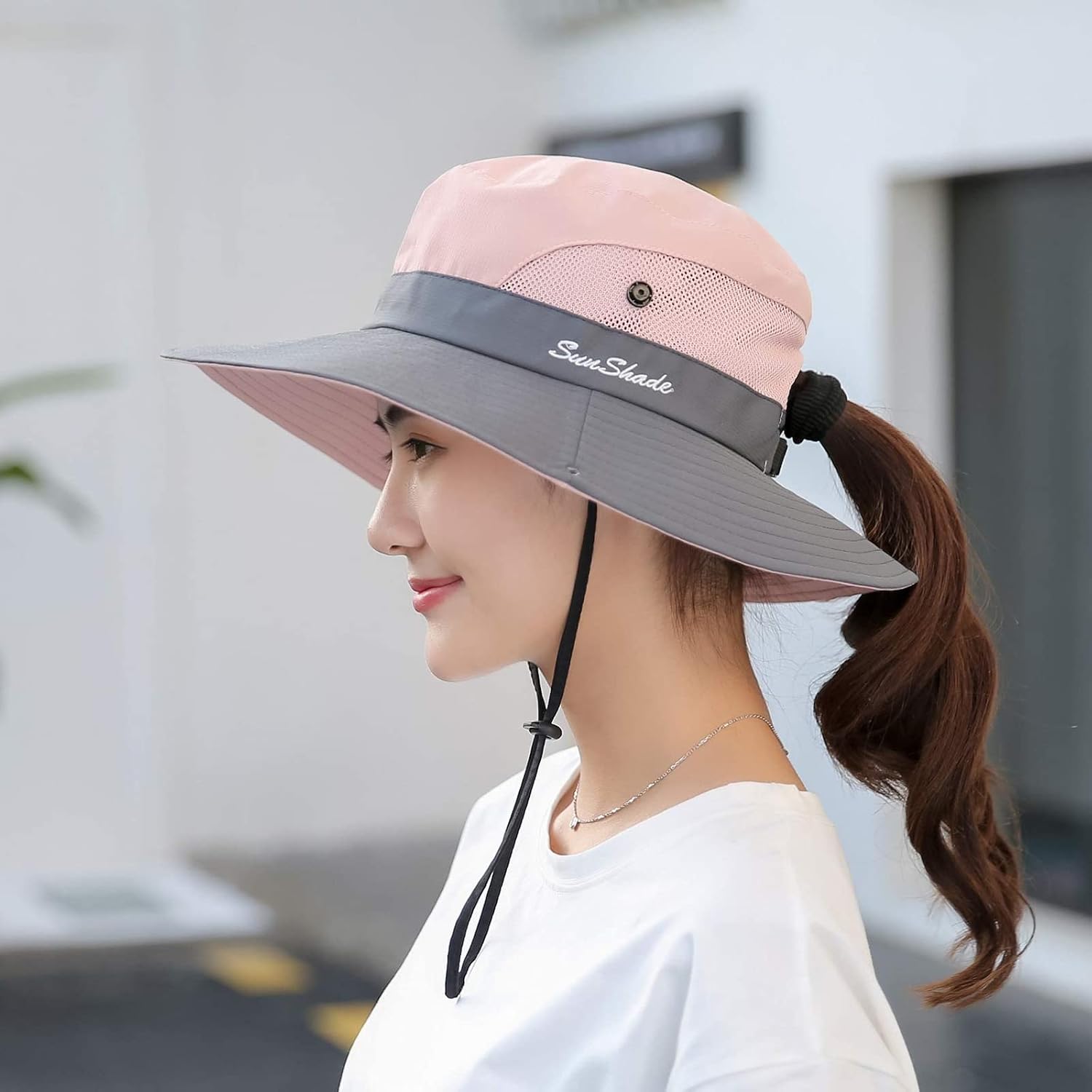
ZOORON
$9.98
In stock on Amazon
Check price on AmazonPonytail Hats: The Practical Choice for Active Gardeners and Trail Users
The ponytail hat earns its reviews almost entirely from a single, specific frustration: the heat and discomfort of wearing a hat with long hair trapped underneath or tucked against the neck. Reviewers describe the “hair on neck while gardening” problem with the kind of specificity that signals a real solved pain — this hat works because it addresses something conventional designs simply ignore.
The ponytail opening (sometimes a rear slot, sometimes an adjustable velcro gap at the crown) threads your hair through so it hangs free behind the hat, rather than being compressed under the crown or draped over the collar. For gardening, trail running, or any sustained physical activity in warm conditions, this makes a measurable difference in perceived temperature.
The coverage tradeoff is real: a ponytail opening means you have a gap in the hat’s rear-crown coverage. In practice, your gathered hair provides some incidental shade to the back of your head, but it’s not the same as structured fabric coverage. If the back of your neck is your primary UV concern, a neck flap hat gives you more protection. If the back of your neck is secondary and hair comfort is primary, the ponytail design wins.
Chin straps are especially relevant here because ponytail hats are disproportionately used during active outdoor work — gardening, light hiking, outdoor markets. Wind catches hats during activity. Reviewers across this style category consistently flag chin straps as a feature worth confirming before purchase.
Who What Wear’s guidance piece “How to Choose a Sun Hat That Actually Flatters Your Face” notes that rear-opening hats work best with structured front brims, since the opening at the crown shifts the hat’s visual balance forward. Most purpose-built ponytail designs account for this, but it’s worth checking in product photos before you order.
If X, then Y: If you wear your hair up during outdoor activity and heat-trapping is your dominant complaint with conventional hats, the ponytail style solves a real problem that a wider brim won’t fix.
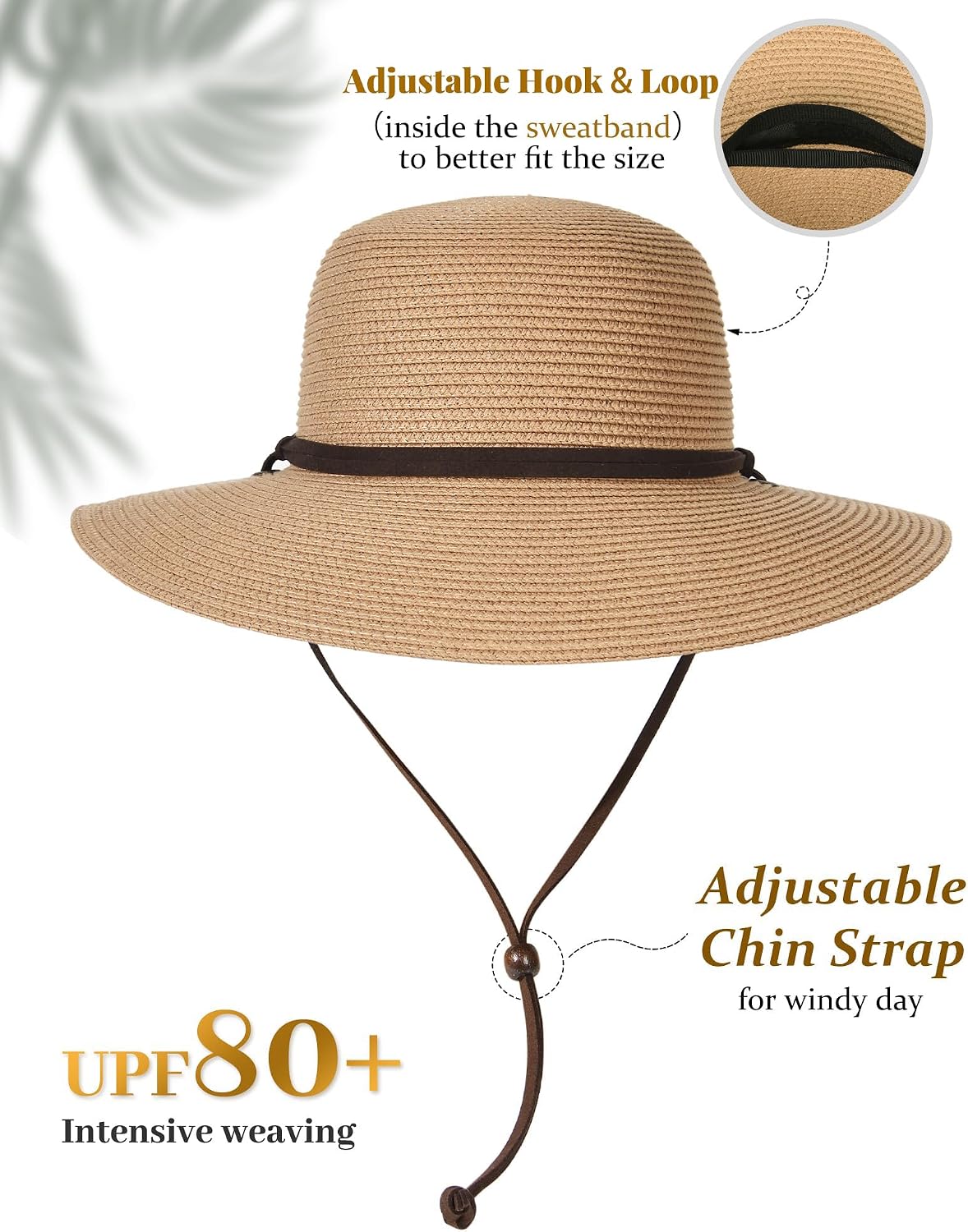
FURTALK
$23.39
In stock on Amazon
Check price on AmazonWide-Brim Hats: The Vision and Proportion Questions You Need to Answer First
The wide-brim category is where the most variables collide, and where the most returns happen. Two buyer experiences from this category frame the decision perfectly.
One candid, specific review from a 5’2” woman who returned a wide-brim hat is a rare and valuable piece of signal: proportion matters as much as protection. A brim that extends dramatically past your shoulders doesn’t just look unbalanced — it catches more wind, requires more active management, and can feel physically unwieldy during activity. Elle’s guide “The Best Sun Hats for Every Outdoor Activity” consistently notes that brim sizing should be proportional to shoulder width, and that buyers under 5’4” typically find brims above 5 inches difficult to manage in any wind.
On the other side of the spectrum, some wide-brim styles earn specific praise for solving the vision obstruction problem that plagues very wide brims. Reviewers note that despite generous coverage, a well-designed brim geometry doesn’t drop into the sightline — a concern that multiple reviewers name explicitly as a reason they’ve returned other large-brim hats. Vision obstruction during hiking or working is a real safety issue, not just a comfort issue, and the fact that reviewers bring it up unprompted tells you it’s a genuine differentiator to evaluate when reading product reviews.
The breathability advantage of fabric wide-brim hats over straw is also surfaced directly in review language: buyers explicitly contrast performance-fabric hats against straw hats that made their head sweaty, calling out breathable construction as the deciding factor in their purchase. Refinery29’s “The Best Wide-Brim Hats for Summer” echoes this — tightly woven natural straw can trap heat at the crown in ways that performance-fabric constructions don’t.
If X, then Y: If you need broad overhead shade for stationary or low-movement outdoor situations — garden parties, beach lounging, outdoor dining — and your frame can carry a wide brim proportionally, a 4-to-5-inch wide-brim hat is your best sun-coverage option. If you’re above average height or have broader shoulders, you can go wider. If you’re petite, stay at 4 inches or below and prioritize vision-clearance language in reviews before purchasing.
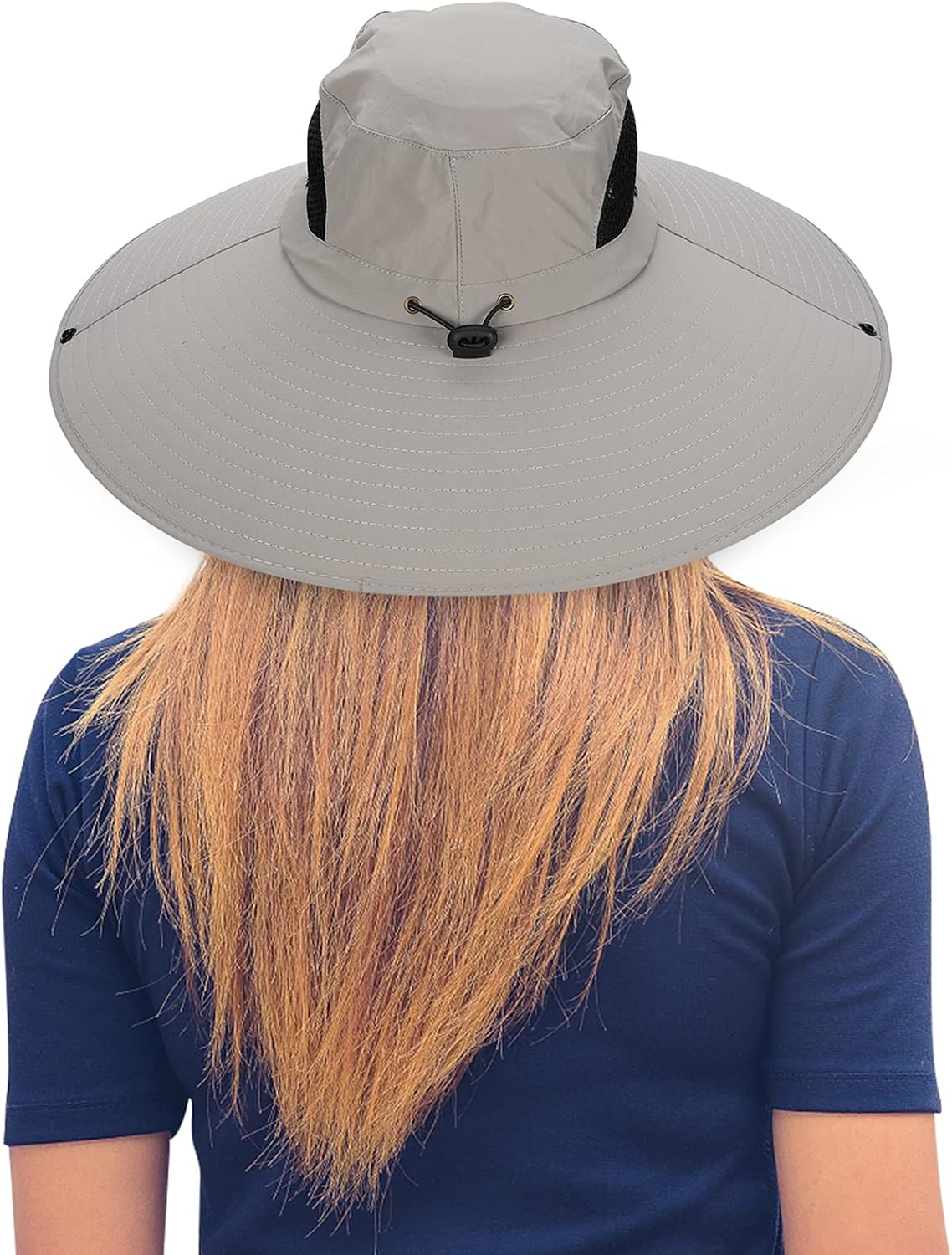
Leotruny
$24.99
In stock on Amazon
Check price on AmazonFrequently Asked Questions
Will a wide-brim hat obstruct my vision while hiking or working? It depends on both the brim angle and your height. Reviewers explicitly name vision obstruction as a reason for returns on several wide-brim styles — it’s not a theoretical concern. When evaluating a wide-brim hat for active use, look for reviewer language specifically addressing sightlines, not just brim measurement.
Which style is best for someone with a ponytail or bun? A purpose-built ponytail hat with a rear slot or adjustable opening is the cleanest solution. Standard wide-brim hats can work with a low bun tucked under the crown, but they trap heat. Neck flap hats are difficult to wear with ponytails because the flap and the hair compete for the same space at the nape.
Does the neck flap make the hat too hot to wear? Reviewers’ experiences are mixed but lean toward: no hotter than sun on bare skin, and meaningfully cooler than bare-head sun exposure. The Skin Cancer Foundation’s “Sun Protective Clothing” guidance document notes that UPF-rated fabric in shade reduces radiant heat load. The perception of warmth is real; the net thermal outcome compared to unprotected skin is generally favorable.
How do I know if a brim is too wide for my height and frame? A useful heuristic drawn from Who What Wear’s proportion guidance is that your brim should not extend significantly past your shoulder width when worn. For buyers under 5’4”, brims above 4.5 to 5 inches warrant careful review-reading before purchase, with particular attention to comments from buyers of similar build.
Are these hats packable enough for carry-on luggage? Most fabric-construction outdoor sun hats in this category — including neck flap and ponytail styles — are designed to be rolled or folded without permanent creasing. Wide-brim styles with structured wire brims are less forgiving. Check product descriptions for “packable” language and reviewer confirmation; a hat listed as packable without reviewer corroboration may recover imperfectly from compression.
Do the chin straps stay comfortable during active use? Across aggregated reviews in this category, chin straps are praised rather than criticized — reviewers call them essential for wind and activity, and comfortable in practice. The concern is usually whether a hat has one, not whether the one it has is tolerable. Adjustable straps with a slider rather than fixed elastic are preferred by reviewers for all-day wear.
The Decision Rule
Map your primary use case to your style:
- Extended UV exposure, bald or close-cropped head, no shade infrastructure → Neck flap hat for maximum rear and ear coverage
- Active outdoor work or hiking with long hair up → Ponytail-opening hat for heat management and hair clearance
- Stationary or low-movement outdoor occasions, average-to-tall frame, broad overhead shade needed → Wide-brim hat at 4–5 inches; verify brim-to-frame proportion and vision-clearance reviews before ordering any brim above 5 inches
If you’re between categories, ask yourself: is heat management or coverage my bigger problem? Heat management points toward the ponytail. Coverage points toward the flap. Occasion and proportion point toward the wide brim. None of these designs is wrong; they’re solving different problems — and the return data in this category confirms that buying for the wrong problem is the most common mistake.