You ordered a hat you were genuinely excited about. The box arrives, you open it, and — deflation. The crown is dented, the brim has folded under itself, and it looks nothing like the product photo. This scenario is frustrating, but it happens constantly, and it doesn’t automatically mean you need to initiate a return. A “crushed” hat is a condition where the hat has been compressed, bent, or deformed during shipping — and whether it recovers fully depends almost entirely on what it’s made of and how it was packaged. Some materials have a structural memory that responds beautifully to heat and humidity. Others are permanently altered the moment a crease sets in. This guide maps the material landscape honestly, gives you the specific techniques that work for each hat type, and tells you exactly when to stop tinkering and file the return claim instead.
If you’ve been buying hats for a season or two, you already know the rage of opening a box to find a $42 sinamay pillbox stuffed into an air-filled poly envelope. What you may still be building is the intuition for which hats are worth the rescue attempt — and what the 15-minute process actually looks like before you commit to either direction.
| EDITOR'S PICKFADVES Fascinators Pillbox Hat… | Mid-tierLanzom Womens Classic Wide Brim… | Budget pickDRESHOW Women Classic Felt Fedo… | |
|---|---|---|---|
| Style | Fascinator/pillbox | Panama floppy | Felt fedora |
| Material | Straw/sinamay | Wool | Felt |
| Brim | — | Wide | Wide |
| Belt buckle | — | ✓ | ✓ |
| Size | Large | One size | Medium |
| Pack count | — | — | 1 pack |
| Price | $40.99 | $27.99 | $18.99 |
| See on Amazon → | See on Amazon → | See on Amazon → |
The Material Decision Tree: What Bounces Back and What Doesn’t
Your first question after opening the box should not be “how do I fix this?” It should be “what is this hat made of?” That answer determines everything else.
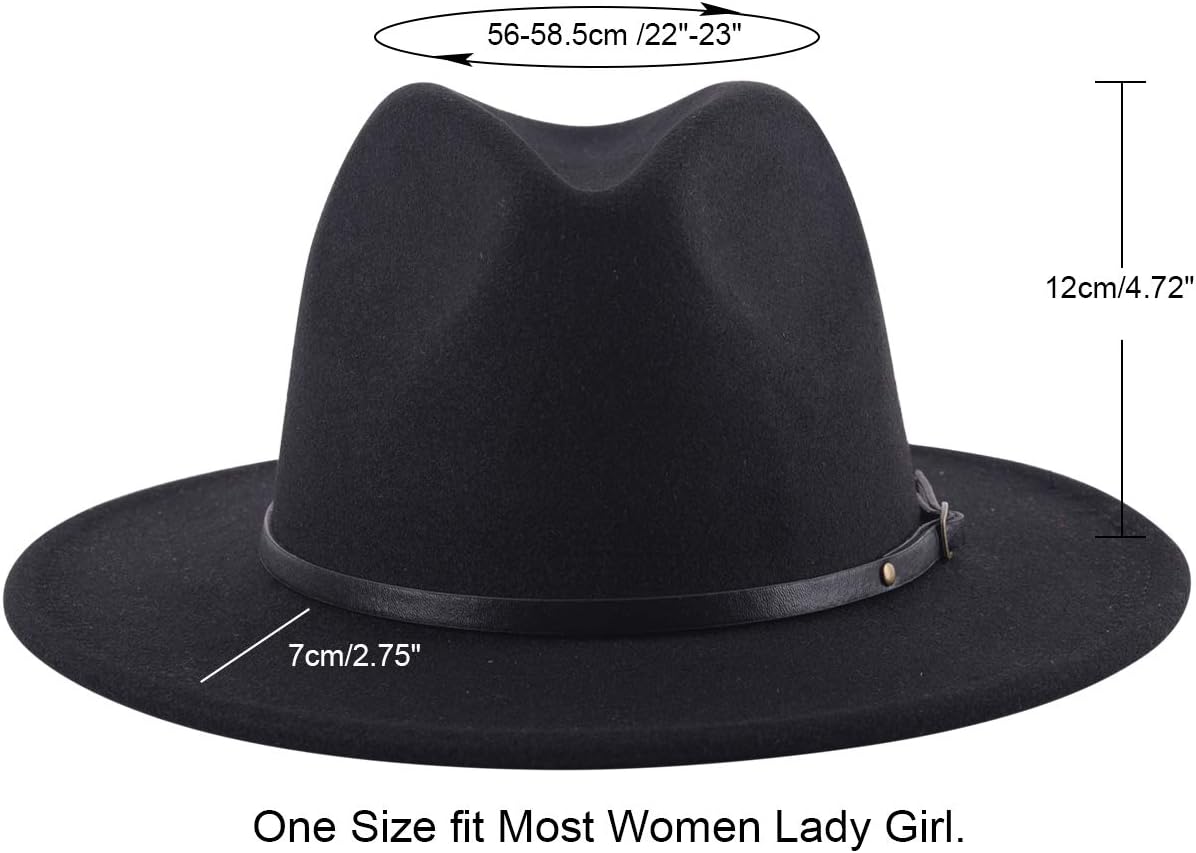
Wool felt and fur felt are the most forgiving materials in the hat world. Felt — whether it’s a pressed wool blend or a higher-grade fur felt like rabbit or beaver — is essentially a non-woven fabric that was shaped by heat and pressure during manufacturing. That same heat-and-pressure logic means you can re-apply it at home. Reviewers of the Lanzom wool fedora describe opening the package to find it completely smashed in a plastic bag, experiencing immediate frustration, and then discovering that 10 minutes of steam and hand-blocking brought it back to essentially its original shape. That’s not a fluke — it’s wool felt doing exactly what wool felt does. The caveat is time: a fresh compression dent responds in minutes; a crease that’s been sitting for weeks in a warehouse may require two or three steam sessions.
Straw and natural fiber hats — including parisisal (a fine, tightly woven fiber from the talipot palm), sinamay (a mesh-like fabric woven from abaca plant fibers), and paper straw — sit in the middle of the recovery spectrum. Light deformation usually responds to steam and reshaping. But straw is more brittle than felt; if the fibers have actually cracked or broken rather than just bent, steam won’t knit them back together. Visually, a bent straw brim looks wavy and pliable; a broken one shows white stress marks at the crease points. That distinction is your decision gate.
Organza and fabric hats — cloche styles, church hats, occasion pieces built on a fabric-wrapped base — are generally recoverable for light compression but vulnerable to watermarking if steamed too aggressively. Reviewers of the ORIDOOR organza cloche note that hand-fluffing alone, without any heat, was sufficient to restore the shape — the organza had memory from its underlying wire frame. Wire-framed fabric hats are usually your easiest recovery; fabric-over-buckram (a stiff interlining) hats require more care because the buckram itself can warp.
Sinamay fascinators and pillboxes occupy the most frustrating category. Sinamay is stiffened with sizing — a light starch-like coating applied during finishing, as noted in Smithsonian Magazine’s coverage of traditional millinery technique. When sinamay is crushed hard enough that the sizing cracks, the structural integrity of the piece is genuinely compromised. A lightly dented sinamay pillbox shipped in inadequate packaging (the air-filled envelope that draws consistent fury in reviews of the FADVES sinamay pillbox) may respond to steam and blocking. One with broken sizing in the crown or brim? That’s a legitimate return.
Bowler hats and hard-form felt pieces need special mention. The IZUS bowler hat arrives in reviews with reports that steaming the body restored the dome — but the satin bow required separate attention, hand-forming it back to its original knot while damp and letting it set before handling. Bowlers have a stiffer felt construction than a fedora; they respond to steam but more slowly. Plan for two sessions rather than one.
The Technique By Material: What Actually Works
For wool and fur felt hats:
Hold the hat 6–8 inches above a steaming kettle or a handheld garment steamer — Vogue’s hat care coverage recommends garment steamers as the most controllable home tool for this purpose. Work in sections rather than steaming the whole hat at once. While the felt is warm and pliable, use your hands to press the crown back into shape from the inside, working outward. Set the hat on a rounded object — a bowl, a balled-up towel, anything close to the interior circumference — and let it cool completely before handling. Do not rush the cooling phase; this is when the fibers re-set. For brim curl, lay the brim flat on a towel and place another towel on top while it’s still warm.
For straw and parisisal hats:
Steam works here too, but with more restraint. Elle’s seasonal hat care guidance cautions against saturating straw with steam — you want to introduce humidity, not soak the fibers. Two to three seconds of steam per section, then reshape immediately. Parisisal is more pliable than paper straw and generally more forgiving; paper straw on a budget hat is your highest-risk category for permanent crease lines.
For organza and wire-framed fabric hats:
Start with your hands. The ORIDOOR organza cloche experience — where hand-fluffing alone restored the shape — is representative of this category. If hand pressure isn’t enough, use a cool iron through a press cloth (a thin cotton fabric laid between the iron and the hat) on the lowest setting. Never apply an iron directly to organza; it will flatten the texture permanently. For the wire frame underneath, simply bend it back to the intended shape before working the fabric.
For the bow or trim detail that’s also crushed:
This is almost always a separate operation from reshaping the hat body. Dampen the bow or trim with light steam — hold it further from the steamer than you would the hat body, 10–12 inches — and hand-form it while damp. Pin it to a foam pad or stuff it with tissue paper and let it dry completely. Rushing a bow back into shape while wet and then moving it is how you end up with a new, wrong shape instead of the original.
By the Numbers: Recovery Rates by Material Type
| Material | Light Compression | Hard Crease | Broken Fibers/Sizing |
|---|---|---|---|
| Wool / fur felt | High — usually full | Moderate — may need 2–3 sessions | Low — crease may remain |
| Parisisal straw | Moderate–high | Moderate | Return |
| Sinamay | Moderate | Low | Return |
| Organza / wire-frame | High | Moderate | Low |
| Paper straw | Low–moderate | Low | Return |
When to Return Instead of Rescue
There is a version of this decision where tinkering is the wrong answer, and recognizing it quickly saves you time and protects your return window.
Return the hat without attempting repair if you see: white crease lines on straw indicating broken fibers; sinamay that crinkles audibly when flexed (broken sizing); felt with a permanent fold that doesn’t lift after 30 seconds of direct steam; or any structural element — a buckram brim foundation, a wire frame — that is visibly bent in a way that would require tools, not hands, to correct.
Town & Country’s coverage of Derby hat preparation makes the useful point that a hat arriving in inadequate packaging for its price point is itself a signal worth noting: a $42 sinamay pillbox shipped in an air envelope is a seller’s fulfillment problem, and if the hat is damaged, the claim is legitimate. You are not obligated to become a hat restorer to compensate for poor packaging decisions.
The practical rule: attempt one steam-and-reshape session. If you don’t see meaningful improvement after a single session and the hat has cooled fully, document the damage with photos and initiate the return. Most marketplaces give you a 30-day window, but the clock runs from delivery, not from when you give up on restoration.
Frequently Asked Questions
Can a wool felt hat be fully reshaped after arriving completely flattened? In most cases, yes. Wool felt has structural memory that responds well to steam and hand-blocking. Reviewers across multiple wool fedora listings describe hats arriving in genuinely smashed condition and recovering to near-original shape. The main exception is a very sharp crease that has been set for a long time — that may leave a faint trace even after successful reshaping.
Does steaming a straw hat risk damaging the fibers? It can, if overdone. Light, controlled steaming — a few seconds per section at 6–8 inches of distance — is generally safe for parisisal and natural straw. Prolonged or heavy steam exposure can over-soften the straw and cause it to lose shape rather than regain it. Paper straw is more vulnerable than natural parisisal. Start conservative and add steam in small increments.
How do I reshape the bow on an organza hat that arrived crushed? Treat the bow as a separate project from the hat body. Introduce light humidity with a steamer held further away than you’d hold it for felt, hand-form the bow while damp, and pin or stuff it while it dries. The IZUS bowler hat review specifically calls out that the bow needed separate attention from the hat body — the principle applies to organza and ribbon bows equally.
What’s the difference between a compression dent and a permanent crease? A compression dent is where the hat has been pushed in uniformly — the crown pushed down, the brim folded. The fibers are displaced but not broken, and heat + reshaping returns them to position. A permanent crease is a sharp fold line where fibers have actually broken or the hat’s internal structure (buckram, sizing, stiffener) has cracked. On felt, look for a sharp ridge that doesn’t soften under steam. On straw, look for white stress marks along the fold line.
Should I return a hat that arrived smashed, or try to fix it first? Try one steam-and-reshape session first, with two caveats: document the damage with photos before you attempt anything, so your return claim is protected regardless of outcome; and know your return window. If the hat responds in that first session, you’ve potentially salvaged a hat you’ll love. If it doesn’t, you’ve lost nothing — the photos document the original arrival condition, and you initiate the return from that same position you’d have been in immediately.