
If you’ve ever ordered a sun hat online, put it on when it arrived, and watched it sink straight past your eyebrows — welcome to one of the most consistent problems in hat retail. Sun hats, particularly the packable wide-brim styles that flood the market every spring, are sold in vague size ranges like “M/L” or “one size fits most,” and those labels often mean “fits a head that is larger than average.” The inner band — the fabric or grosgrain ribbon sewn inside the hat’s crown that sits against your forehead — is supposed to create a snug fit, but many budget and mid-range hats either skip a real adjustment mechanism entirely or include one that barely moves the needle. This guide is for buyers who already have a hat in hand, or who are trying to make a smarter purchase the second time around. You’ll learn what “M/L” actually measures, which fixes work and which are makeshift, and how to decide whether a too-big hat is worth keeping.
| EDITOR'S PICKFelt Wide Brim Fedora Hats for… | Mid-tierFURTALK Womens Wide Brim Sun Ha… | Budget pickFURTALK Womens Sun Straw Hat Wi… | |
|---|---|---|---|
| UPF rating | — | UPF | UPF 80 |
| Wind lanyard | — | ✓ | — |
| Packable | — | — | ✓ |
| Size stated | 22-7/8" | M-L | M-L |
| Material | Wool | Straw | Straw |
| Adjustable | ✓ | — | — |
| Price | $29.99 | $23.39 | $23.39 |
| See on Amazon → | See on Amazon → | See on Amazon → |
What “M/L” Actually Means — and Why It’s Probably Too Big for You
Here’s the uncomfortable truth about mass-market sun hat sizing: M/L almost universally means the hat is constructed for a head circumference between approximately 22 and 23 inches. That sounds reasonable until you look at actual head size data. Harper’s Bazaar, in their editorial coverage of hat fit and millinery sizing (“How to Make a Hat Fit Better”), notes that the average adult female head circumference in the United States falls between 21.5 and 22 inches — and a meaningful portion of women measure at 21 inches or below, a range that milliners historically classified as “small” or “petite.”
This is why reviewers across multiple hat lines repeatedly describe M/L sizing as running large despite nominally being labeled for “medium” heads. A buyer who describes her head as “average” at 21 inches is not wrong. The hat’s reference point is just off.
By the numbers:
| Label | Typical Circumference | Fits Well If Your Head Is… |
|---|---|---|
| S/M | 21–22 in (53–56 cm) | 20.5–21.5 in |
| M/L | 22–23 in (56–58.5 cm) | 21.5–22.5 in |
| Petite/XS | 20–21 in (51–53 cm) | 19.5–21 in |
If your head measures 21 inches or under and you are buying a hat labeled M/L without an inner adjustment mechanism, you are very likely buying a hat you’ll need to alter.
The Real Fix Hierarchy: From Genius to “It’ll Do”
Not all fixes are equal. Here’s how the options stack up, ranked by durability and result quality — drawing on what buyers have actually reported doing across verified reviews.
Felt Strip Inserts: The Best DIY Fix Nobody Talks About
One buyer of a mid-range packable felt fedora — who had already initiated a return before changing her mind — cut a 1-inch-wide strip of felt to the full interior circumference of her hat and glued it inside. The result was a snug, even fit that didn’t buckle or gap. This is legitimately the right approach, and it mirrors what professional milliners call “sweatband shimming” — adding interior volume to bring the hat down to the wearer’s head size rather than hoping the head fills the hat.
The felt strip method works because felt is compressible, doesn’t slide against the scalp, and doesn’t bunch the way foam tape often does. If you’re going this route, a strip that is 1 inch wide and cut to your actual head circumference (not the hat’s circumference) is the target. The gap between the two measurements is the effective reduction you’re building in. You can use fabric glue or a milliner’s tape (double-sided, heat-resistant) to secure it without stitching.
Who What Wear, in their roundup “Sun Hats That Actually Stay on Your Head,” notes that hat tape and interior shimming are genuinely used by stylists and wardrobe professionals for exactly this problem — it’s not a hack, it’s standard practice.
Hat Sizing Tape: Fast, Reversible, Imprecise
Foam hat-sizing tape — the spongy strips sold in small rolls — is the most widely available fix and the most commonly misunderstood one. It works if your hat is 0.25 to 0.5 inches too large. It does not work if your hat is 1 to 1.5 inches too large, which is the actual gap many 21-inch-head buyers face with M/L hats. The foam compresses under heat and sweat, so what started as a snug fit loosens over a season of outdoor wear.
The practical ceiling on foam tape is about half an inch of effective reduction. If you need more than that, you’re stacking tape (which creates hot spots and visible bumps) or you need the felt strip method above.
The Towel Roll: Emergency Use Only
Some reviewers of budget felt fedoras describe rolling a small towel and tucking it inside the crown for a tighter fit. This is an emergency fix — useful for a single event when you have no other options. It is not a wearable long-term solution because the material shifts, the crown distorts, and nothing about it is comfortable for more than an hour.
Scarves and Packing Material: A Different Use Case
The Wallaroo Hat Company Petite Aspen design came up in a review for a completely different reason: one owner stuffed the crown with scarves and socks during a packed carry-on trip and reported zero damage to the structure when she unpacked it. This tells you something important about the hat’s construction — its internal structure is robust enough to handle packing pressure — but it’s also a reminder that stuffing a hat crown is primarily useful for travel shape-retention, not for fit adjustment while wearing.
FURTALK
$23.39
In stock on Amazon
Check price on AmazonThe Adjustable Ribbon Problem: When Product Descriptions Don’t Match Reality
This is where buyers deserve a clear warning.
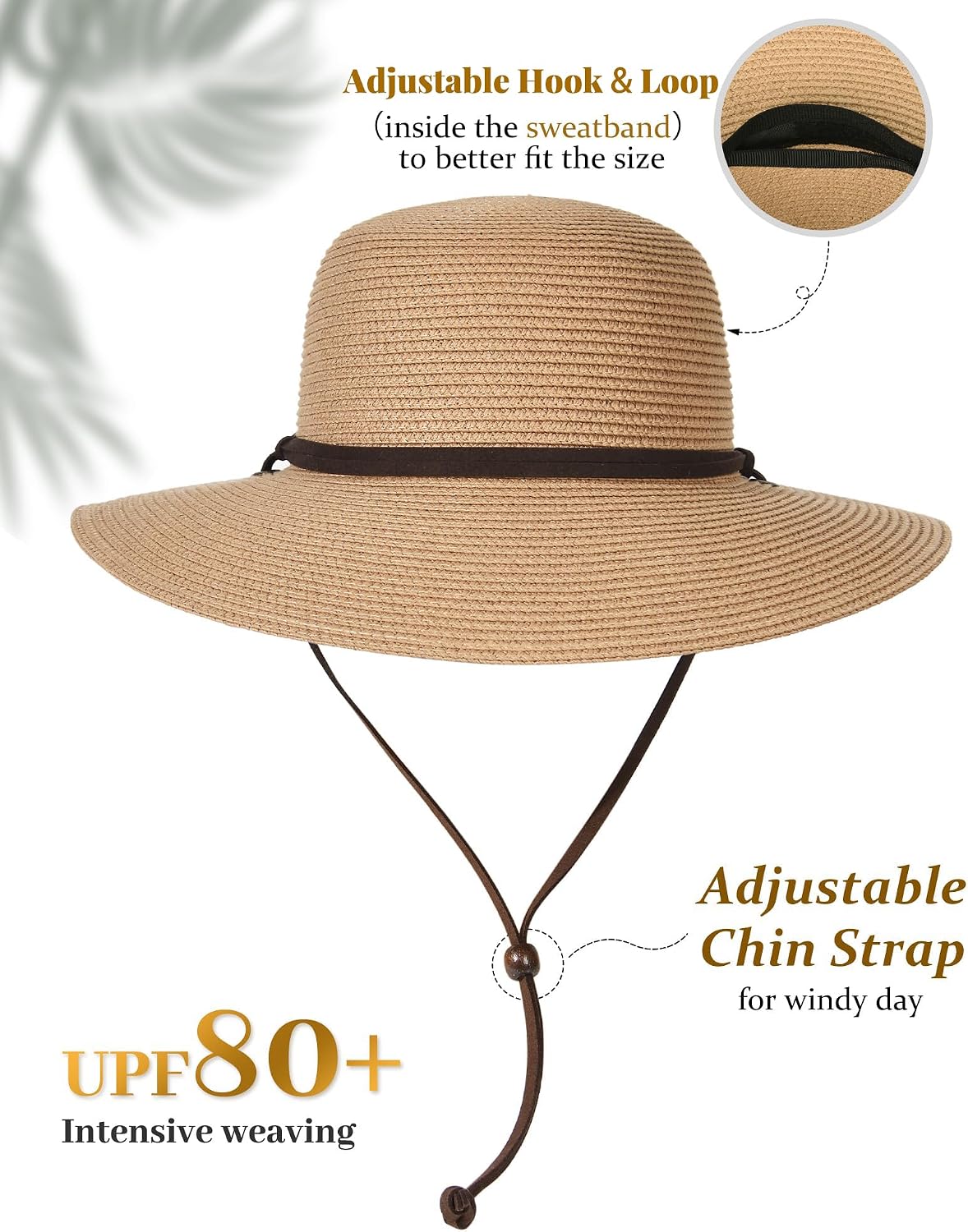
Certain felt wide-brim fedora styles sold under multiple brand names have reviews that directly contradict each other on whether an adjustable interior ribbon exists. One buyer reports that the adjustable ribbon made the hat fit her smaller head well. A different buyer of what appears to be the same product reports that there is no adjustable ribbon and the hat was too large to wear.
This is not a case of one buyer being wrong. This is a product description inconsistency — possibly across manufacturing batches, possibly between colorways, possibly a change in the product between listing updates. Elle, in their editorial coverage of the wide-brim hat category (“The Best Wide-Brim Hats for Summer”), has noted that production changes in mass-market hat lines often don’t get reflected in the retail listing, which means a review from fourteen months ago may describe a different physical object than what ships today.
The practical implication: If an adjustable ribbon is your reason for choosing a specific hat, contact the seller before purchasing — don’t rely on the listing description or on reviews older than six months. Ask specifically whether the current production run includes the interior drawstring or ribbon. If you can’t get a clear answer, buy only from a retailer with a no-questions return policy.
Circumference vs. Crown Depth: Two Different Problems, Two Different Fixes
Most buyers describe a too-big hat as one that slides down. But there are actually two distinct fit problems, and they call for different solutions.
Circumference too large means the hat’s opening — the horizontal measurement around the inner band — is wider than your head. The hat sits low, covers your eyes, and tips when you move. This is the problem that felt strips, hat tape, and inner band shimming fix. It’s the most common complaint in reviews.
Crown too deep means the vertical distance from the brim opening to the top of the interior is too tall for your head. The hat sits at the right circumference but floats — there’s a visible gap between the top of your head and the inside of the crown. This creates a slightly different look: the hat isn’t falling down, but it’s not sitting naturally either. The fix here is a crown pad — a thin disc of foam or felt glued to the interior crown ceiling — which is a less common product but available from millinery suppliers.
Wirecutter, in “The Best Sun Hats,” touches on crown fit as an underappreciated sizing variable, particularly for buyers with smaller heads who may face the circumference problem and the crown depth problem simultaneously.
Which Hats Are Actually Built for Smaller Heads?
If you’re tired of shimming, the more durable solution is buying a hat designed for a petite head circumference from the start.
Budget Option: Adjustable-Drawstring Packable Hats
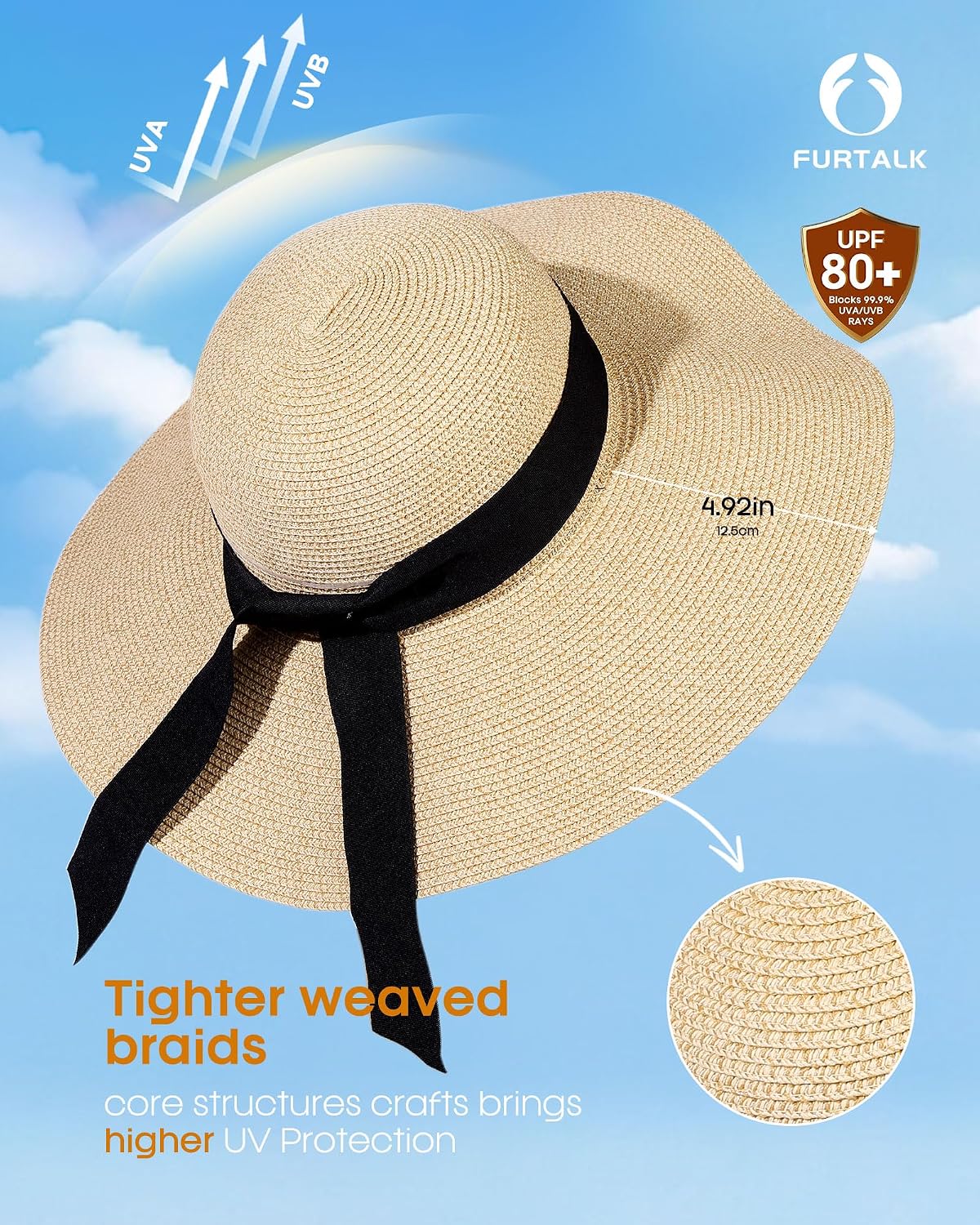
At the under-$40 tier, the most reliable feature to look for is a genuine interior drawstring — not a decorative ribbon with a bow, but an actual cord that tightens the inner band. Wirecutter’s sun hat coverage recommends prioritizing this feature over style details for buyers with smaller heads, noting that a real drawstring can reduce interior circumference by up to a full inch without adding visible bulk.
FURTALK
$23.39
In stock on Amazon
Check price on AmazonMid-Range Option: Wallaroo Hat Company Petite Aspen
The Wallaroo Hat Company Petite Aspen is the most-cited example in the mid-range category across buyer reviews, explicitly marketed and sized for smaller head circumferences. Buyers with 21-inch heads report it fits without modification. The construction is also robust enough for travel, as noted in the packing-material section above — the crown holds its shape under pressure in a carry-on bag.
FURTALK
$23.39
In stock on Amazon
Check price on AmazonPremium Option: Made-to-Measure and Designer Sizing
At the designer and bespoke tier, most independent milliners offer custom sizing, and Harper’s Bazaar (“How to Make a Hat Fit Better”) recommends this route for buyers who have experienced recurring fit failures at the mass-market level. At this price tier, brands will typically provide exact interior circumference measurements on request — always ask before purchasing.

Felt
$29.99
In stock on Amazon
Check price on AmazonIs It Worth Buying a Hat You Plan to Alter?
Here’s the honest decision rule, because this is the question that matters at the moment of purchase.
If the hat is under $60 and you genuinely love the style: Yes. A felt strip costs almost nothing and takes twenty minutes. A buyer who shims her own hat rather than returning it is making a reasonable call — when the hat is clearly the right aesthetic choice, the fix is achievable, and the result holds through a full season.
If the hat is $100–$250 and the fit problem is circumference only: Still probably yes, especially if it has a genuine adjustment mechanism. If it doesn’t, factor in an additional $10–15 for proper hat tape or felt material and do it properly, not with foam strips layered on top of each other.
If the hat is above $250: Don’t guess. Measure your head in centimeters before ordering. Contact the seller or brand directly about sizing. At this price tier, most independent milliners and designer labels will provide exact interior circumference measurements — ask for them. Returning or re-blocking a luxury hat is possible but adds cost and time you shouldn’t need to absorb.
The universal flag: If the only available sizing is M/L and there is no confirmed adjustment mechanism, and your head is 21 inches or under, treat that hat as a product you’ll need to modify before it’s wearable. Budget and plan accordingly, or find a hat that’s built for your head.
Frequently Asked Questions
What does M/L actually mean in inches for these hats? In the mass-market sun hat category, M/L typically corresponds to an interior circumference of 22 to 23 inches (approximately 56 to 58.5 centimeters). If your head measures 21 inches, you are likely outside the intended fit range for most M/L hats.
Can I make a too-big sun hat smaller without ruining it? Yes, reliably — as long as the hat is felt, straw, or fabric rather than a rigid structured hat. A felt strip cut to your head circumference and secured with milliner’s tape or fabric glue is the most durable method. Hat-sizing foam tape works for gaps under half an inch.
Do the Velcro tabs inside packable hats actually work for small heads? For minor adjustments — a quarter inch or less — yes. For the 1-inch or larger gap that many 21-inch-head buyers face with M/L hats, no. Velcro tabs are most useful for hats that almost fit, not for hats that are genuinely too large.
What is the difference between a hat that is too big in circumference versus too deep in the crown? Circumference too large: the hat slides down over your eyes. Crown too deep: the hat sits at the right level but floats, with a gap between the top of your head and the inside of the hat. Both can be fixed, but they require different solutions — inner band shimming for circumference, crown padding for depth.
Which hats come in sizes explicitly designed for smaller heads? The Wallaroo Petite Aspen is the clearest example in the mid-range sun hat category, sized and marketed specifically for smaller head circumferences. At the designer tier, most milliners offer custom sizing — worth the premium if fit is a recurring problem.
Is it worth buying a hat you plan to alter yourself? At under $60 and with the right materials, yes — the fix is straightforward and inexpensive. At higher price points, the bar rises: confirm sizing specifics before purchasing, and verify that any claimed adjustment mechanism exists in the current production run, not just in the product description.