If you’ve ever stood in a hat shop or scrolled through a sun hat listing and spotted a tag that reads “UPF 50+” — and wondered what that actually means for your face and scalp — you’re in exactly the right place. UPF stands for Ultraviolet Protection Factor, and it’s the textile world’s equivalent of the SPF rating you see on sunscreen. Where SPF measures how much ultraviolet B radiation a lotion blocks, UPF measures how much of the full UV spectrum — both UVA and UVB — a fabric blocks from reaching your skin. A UPF 50 fabric theoretically lets through 1/50th of UV radiation, or about 2%. A UPF 80 fabric lets through 1/80th, or about 1.25%. The gap sounds significant when you frame it that way. Whether it’s meaningful for an actual hat purchase is a more nuanced question — and that’s what this guide is here to answer.
If you’re already comfortable with the basics and shopping in the $80–$300 range, you’ve probably noticed that UPF claims vary wildly across similar-looking hats, and that brands use the numbers with varying degrees of rigor. This article maps the real-world decision tradeoffs: when a higher UPF number justifies a higher price, when it doesn’t, and what construction details actually drive sun protection in a hat regardless of what the hang tag says. To make those tradeoffs concrete, this guide is organized around three buyer tiers — budget-conscious shoppers, mid-range buyers, and premium spenders — because the right answer to “does UPF 80 matter?” genuinely depends on how much you’re spending and what you’re buying.
The UPF Scale: What the Numbers Actually Tell You
Let’s start with the honest math.
By the numbers:
| UPF Rating | UV Radiation Transmitted | Protection Category |
|---|---|---|
| UPF 15–24 | 4.2%–6.7% | Good |
| UPF 25–39 | 2.6%–4.0% | Very Good |
| UPF 40–50+ | ≤2.5% | Excellent |
| UPF 80 (if claimed) | ~1.25% | Excellent (marginal gain) |
Per the Skin Cancer Foundation’s “Sun Protective Clothing” guidance document, anything rated UPF 40 and above earns their “Excellent” designation — the same top tier that UPF 80 would fall into. The practical gap between UPF 50 and UPF 80 is a reduction in UV transmission from 2% to 1.25%. For most daily-wear sun hat shoppers, that 0.75% difference is not a meaningful driver of skin protection decisions, particularly when hat coverage, weave construction, and brim width are doing far more work.
This is the first critical decision frame: UPF rating is a floor, not a ceiling. It tells you the minimum protection a tested fabric sample provides in controlled lab conditions. Real-world hat performance depends on factors the UPF number cannot capture — coverage area, how the hat sits on your head, whether the weave opens up when stretched, and whether the rating applies to the crown fabric only or the full brim assembly.
The American Academy of Dermatology’s UV clothing guidance reinforces this point: construction and coverage area are the primary protection drivers for headwear, not incremental differences in UPF rating above the 40+ threshold.
How UPF Testing Works — and Where Hat Claims Get Slippery
Here’s where intermediate buyers need to slow down. UPF testing methodology, standardized by ASTM International under Standard Test Method D6603, evaluates a flat fabric swatch in a laboratory setting. The fabric is tested unstretched, in new condition, at a single point of the textile.
For a woven fabric sun hat, this creates several honest gaps that matter more than the number on the hang tag.
Tested fabric vs. finished hat. A brand may test their primary crown fabric and apply that rating to the whole hat. The brim, if constructed differently or from a different material, may have a lower effective UPF. Wide-brim hats in particular sometimes use a lighter, more open weave at the brim edge for aesthetic shaping — exactly where you want protection around the face and neck.
Stretch and wear over time. The Australian Radiation Protection and Nuclear Safety Agency (ARPANSA), in their “Sun Protection” consumer brief, notes that woven fabrics can lose effective UPF when stretched or worn repeatedly, as the weave structure opens slightly. A tightly blocked wool felt hat doesn’t have this problem. A loosely woven packable straw hat might.
Coverage shadow vs. UPF rating. A hat with a generous 4-inch brim and a “modest” UPF 40 rating will typically protect more skin surface than a close-brimmed hat rated UPF 80. The Skin Cancer Foundation’s “Sun Protective Clothing” guidance consistently emphasizes that a brim of at least 3 inches provides meaningful coverage to the face, ears, and back of the neck — areas frequently missed by sunscreen application alone.
What this means for your purchase decision: If a brand is claiming UPF 80 on a packable, loosely woven straw design, that number deserves skepticism. If a brand claims UPF 50+ on a tightly constructed parisisal or woven toyo crown with a 4-inch brim, that’s a coherent, credible claim worth weighting in your decision.
The Actual Protection Drivers in a Sun Hat
If UPF numbers above 40+ offer diminishing returns on incremental UV protection, what should intermediate buyers evaluate? Here’s the practitioner framework.
Brim width and geometry. This is the single highest-leverage variable in hat sun protection. A 3-inch brim is the minimum the Skin Cancer Foundation recommends for face and neck coverage. Four inches extends meaningful shade to the upper chest and shoulders. Hat geometry matters too — an upturned brim on one side sacrifices coverage on that side of your face. For serious sun protection, a full 360-degree downturned brim is the most effective construction.
Weave tightness and fiber density. A tightly woven parisisal (a fine straw derived from sisal palm) or a densely blocked wool felt provides inherently high UV blockage, often without requiring a special UPF treatment. Reviewers at Wirecutter, in their “The Best Sun Hats” roundup, and at Elle, in their “The Best Sun Hats, According to Editors and Experts” feature, consistently flag lightweight, breathable weaves as the category where you need to verify UPF claims most carefully — open-weave natural straws can let through far more UV than a hang tag implies.
UPF treatment vs. inherent UPF. Some hats achieve their UPF rating through a UV-blocking chemical finish applied to the fabric. Others achieve it through fiber type and construction alone. ARPANSA’s consumer brief notes that chemically treated UPF finishes can degrade with repeated washing and sun exposure over time. For a packable sun hat you’ll wash seasonally, look for inherent UPF from fiber density rather than relying on a treatment finish.
Crown ventilation tradeoffs. Open-crown designs, crushable straw lattice panels, and ventilation eyelets improve comfort in heat but reduce UPF at those points. If maximum UV protection is the goal, a solid, fully blocked crown in a tight weave is more protective than an open-work design — even if the hang tag on the ventilated hat claims the same rating.
Budget, Mid-Tier, and Premium: How UPF Claims Change by Price Point
This is the section where the comparison work gets practical. The question “does UPF 80 matter?” has genuinely different answers depending on where you’re shopping.
Budget Picks: Under $60 — Prioritize Construction Over the Number
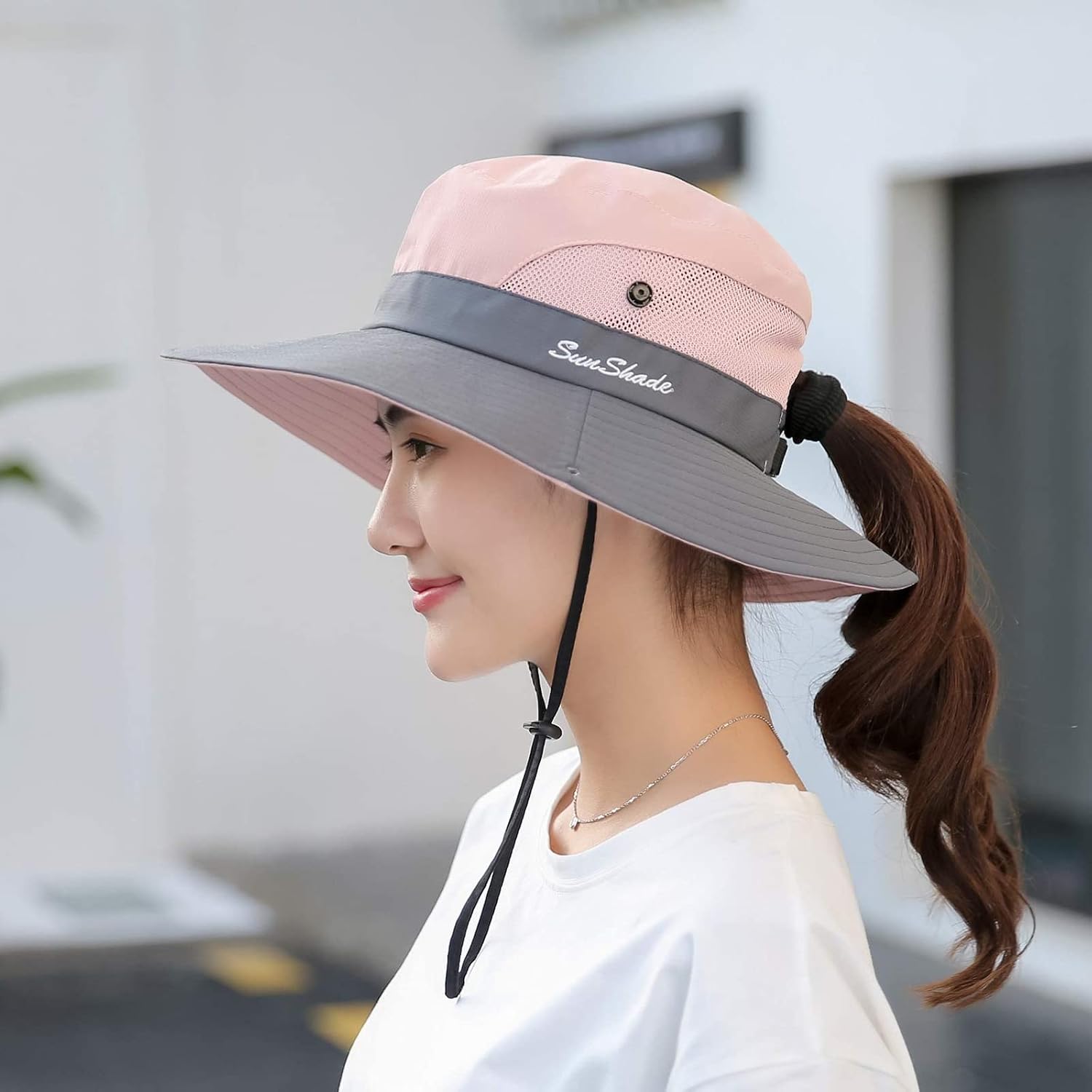
ZOORON
$9.98
In stock on Amazon
Check price on AmazonAt the under-$60 price point, UPF claims are where you should be most skeptical. Fashion-forward straw hats in this range frequently carry UPF 50+ hang tags based on fabric-swatch testing of the crown material only, applied to a loosely woven brim that may perform meaningfully below that rating in real conditions. The American Academy of Dermatology’s UV clothing guidance is useful here: brim width and weave density are the factors to evaluate directly, since independent finished-hat testing is rare at this price tier.
What to look for instead: A natural-fiber hat with a brim of 3 inches or more, a visibly tight weave you can hold up to light and see minimal transmission through, and a stable blocked shape rather than a crushable open-weave style. A UPF 40+ claim from a brand that specifies inherent fiber UPF (rather than a chemical finish) is a green flag. Don’t pay a budget-tier premium to move from UPF 50 to UPF 80 — that differential is unlikely to be meaningful at this construction level.
ZOORON
$9.98
In stock on Amazon
Check price on AmazonMid-Tier Picks: $60–$150 — Verify Testing Scope Before Weighting the Number
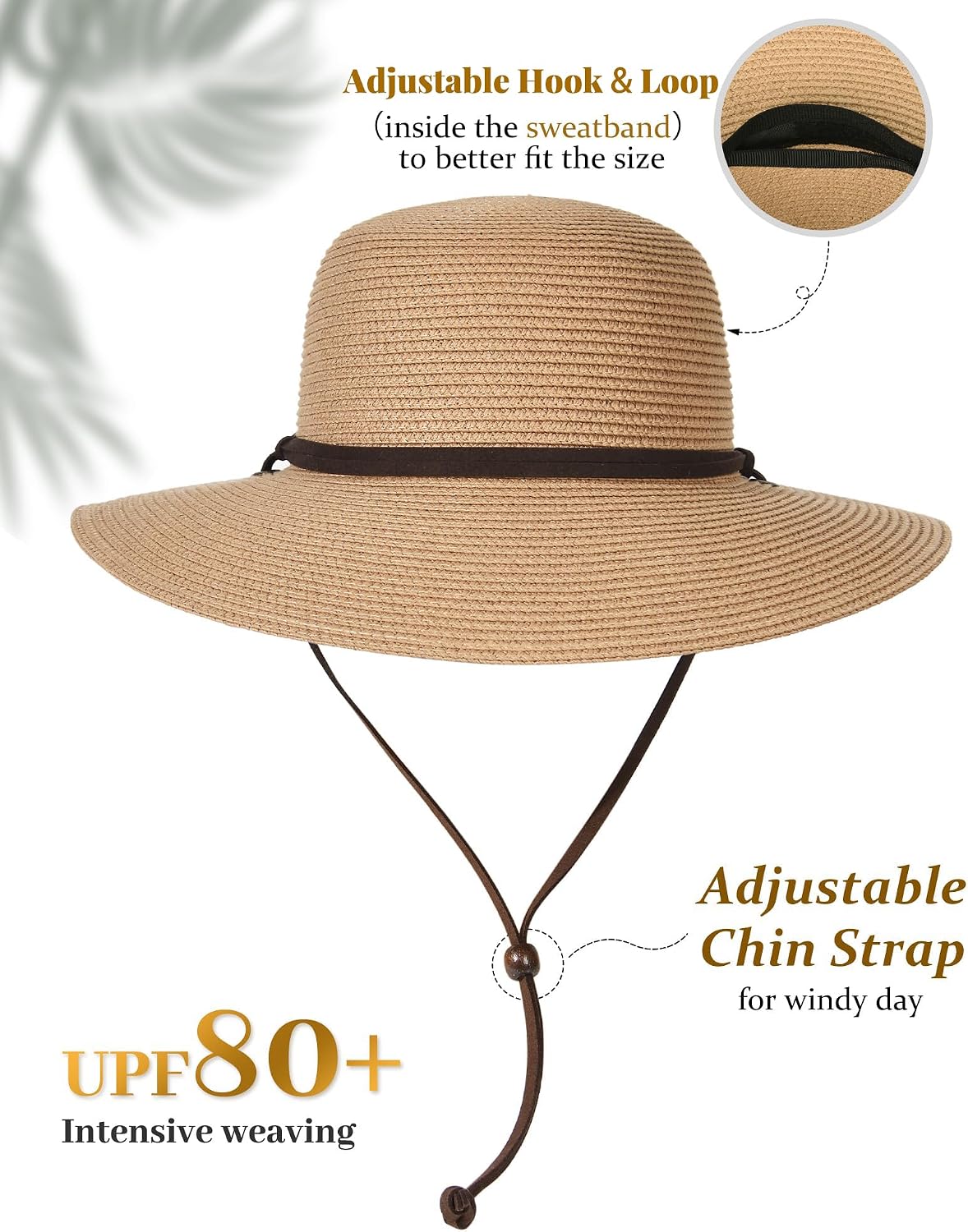
FURTALK
$23.39
In stock on Amazon
Check price on AmazonIn the $60–$150 range, brands begin investing in more rigorous construction and, in some cases, finished-hat UPF testing rather than swatch-only certification. This is the tier where a UPF claim becomes worth investigating rather than dismissing. Look for product descriptions that specify whether testing was conducted on the full hat assembly under ASTM International’s Standard Test Method D6603, or only on the crown fabric. Wirecutter’s “The Best Sun Hats” roundup notes that mid-range performance-oriented hats — particularly those targeting outdoor recreation rather than fashion — tend to support their UPF claims with more construction transparency than fashion-first designs at similar prices.
At this tier, a hat carrying a verified UPF 50+ rating on a 3.5- to 4-inch brim in a tight parisisal or performance woven fabric is a strong protection purchase. The step from UPF 50+ to UPF 80 at this price range is rarely worth pursuing as a primary criterion — channel that budget differential toward brim width or a better-fitting crown instead.
FURTALK
$23.39
In stock on Amazon
Check price on AmazonPremium Picks: $150 and Above — When Higher UPF Ratings Are Defensible
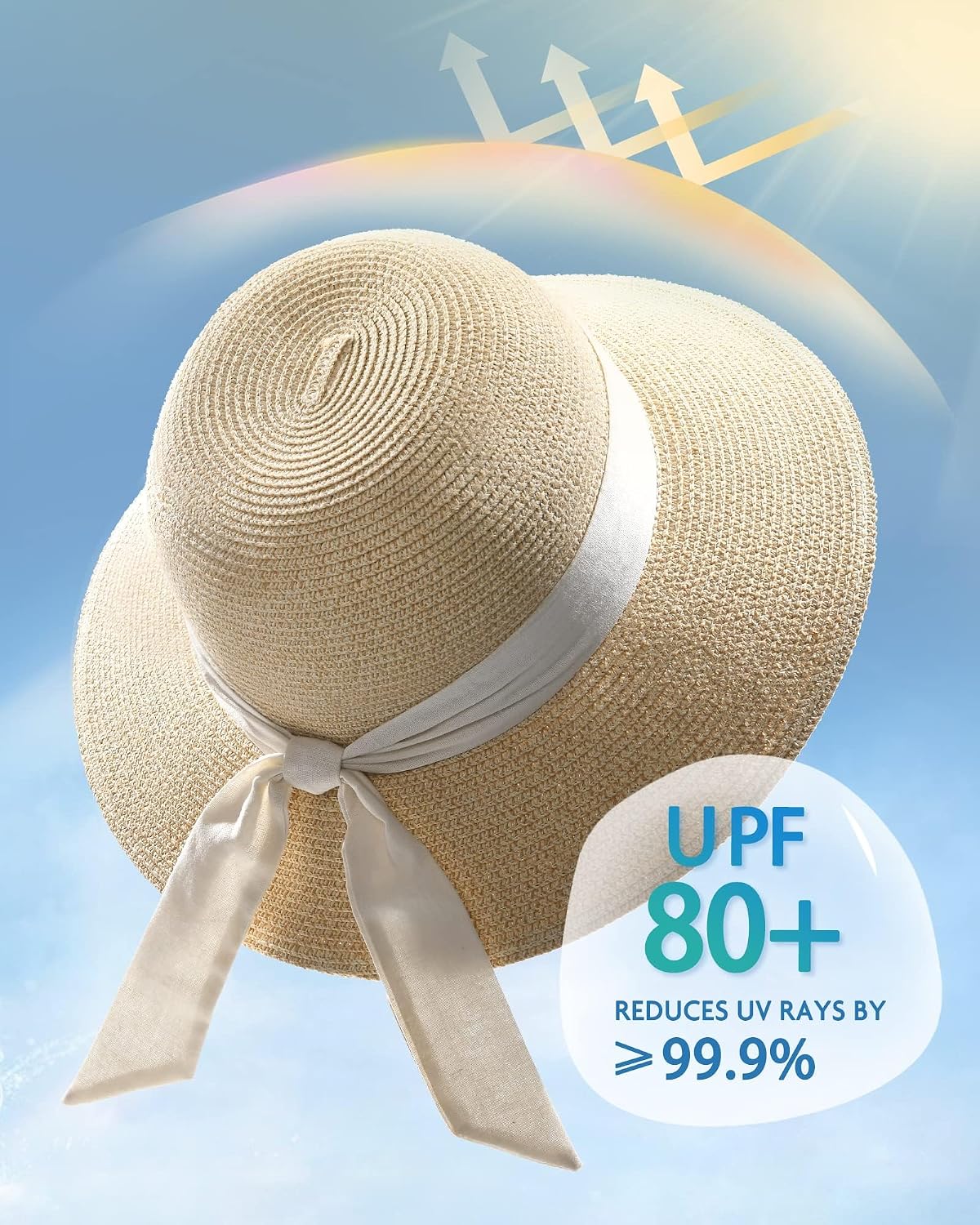
FURTALK
$25.99
In stock on Amazon
Check price on AmazonAt the premium tier, higher UPF claims are most likely to reflect genuine construction investment. Performance and outdoor brands producing technical hiking and water-sport hat categories at this price point increasingly submit their full hat construction — not just a fabric swatch — for independent UPF testing under ASTM D6603 methodology. When a brand at this tier cites third-party lab results on the finished product and specifies inherent UPF from fiber engineering rather than a chemical treatment, a UPF 80 claim is credible and worth weighting.
Even here, the Skin Cancer Foundation’s “Sun Protective Clothing” guidance applies: above UPF 40, incremental UV transmission reduction is small enough that coverage area and brim construction matter more to actual skin protection outcomes than chasing higher numbers. A premium hat rated UPF 50+ with a full 4-inch downturned brim in a tightly blocked construction will outperform a premium hat rated UPF 80 with a 2.5-inch brim in most real-world conditions. Buy the construction first; let the UPF number confirm the floor.
FURTALK
$25.99
In stock on Amazon
Check price on AmazonThe If-Then Decision Framework
Here’s the practitioner summary for each scenario.
If you’re shopping for a primary sun-protection hat (beach, hiking, outdoor events lasting multiple hours): prioritize brim width of 3–4+ inches, tight inherent-UPF weave or construction, and any UPF 40+ rating. Verify whether testing was done on the full hat or a fabric swatch alone. UPF 50+ is your target floor; anything above that is a secondary consideration that should not drive your purchase over construction quality.
If you’re shopping for an occasion hat (garden party, outdoor wedding, summer racing event) where UV protection is a genuine concern but aesthetics are co-equal: a well-constructed parisisal or toyo brim hat with a 3-inch-plus brim provides meaningful real-world protection regardless of whether the hang tag specifies UPF. Tight-weave natural straw construction offers inherent UV blockage that often exceeds the performance of loosely woven “UPF 80” fashion hats.
If a brand is charging a meaningful premium specifically for UPF 80 vs. UPF 50+: ask what methodology was used to establish the rating. If the answer is a finished-hat third-party lab test under ASTM D6603, that premium has a defensible basis. If the rating comes from a fabric-swatch test applied to a loosely constructed hat, you are paying for marketing language on a hang tag.
The Skin Cancer Foundation’s position is clear and worth internalizing as a closing principle: above UPF 40, the incremental UV transmission reduction is small enough that coverage area, brim construction, and consistent wearing habit matter far more to actual skin protection outcomes than chasing higher numbers. Buy the best-constructed hat with the most generous brim your occasion allows. The UPF number confirms a floor — your brim does the actual work.