A wide-brim fedora is exactly what it sounds like: a structured hat with a wide, flat-ish brim (usually 2.5 to 4 inches) and a center-creased crown — the silhouette most people picture when they hear “fedora.” Felt is the most common material at this price point, meaning the hat is made from compressed wool or synthetic fibers that have been shaped under heat and pressure into a firm but flexible shell. At the $25–$50 tier, you’re getting a lot of hat for the money — but the range between a hat you’ll wear for one outing and one you’ll reach for every single day is wider than the price spread suggests. This guide exists to help you close that gap before you buy, using what owners and long-term reviewers have actually reported rather than spec-sheet promises.
If you already know your way around a felt hat and you’re here because you’ve returned one budget fedora that went floppy by week three, you’re in the right place. We’re going to get specific.
| EDITOR'S PICKPro Celia Big Wide Brim Women F… | Mid-tierLanzom Womens Classic Wide Brim… | Budget pickDRESHOW Women Classic Felt Fedo… | |
|---|---|---|---|
| Material | — | Wool | Felt |
| Belt detail | — | ✓ | ✓ |
| Size options | — | One size | Medium |
| Pack count | — | — | 1 pack |
| Color | Oval-rice | Black | Black |
| Price | $36.99 | $27.99 | $18.99 |
| See on Amazon → | See on Amazon → | See on Amazon → |
What the Long-Term Reviews Actually Tell You
The most useful data point in any budget hat category is the rare multi-year update — and the occasional reviewer who returns after four years of ownership to note she still received compliments at the grocery store checkout represents exactly that. As Elle, in its roundup of wide-brim hats worth buying, reinforces, longevity at this price point is genuinely unusual; most budget felt hats soften, lose shape, or pill within a single season of regular wear. A four-year lifespan with compliments still incoming is an outlier data point — and it matters precisely because it’s rare enough to be notable rather than the expected baseline.
What separates that outcome from the one-and-done purchase? Reviewers across the category point to three variables that show up consistently: brim stiffness under heat and humidity, crown recovery after compression, and whether the hat holds its blocking (the original molded shape) through repeated wears and storage cycles.
Some of the most emotionally invested reviews in this price bracket describe wearing a wool fedora “to death this fall” and having to actively stop from ordering every color — which is the kind of repeat-purchase signal that tells you something real about day-to-day wearability. That’s not a first-impression review; that’s a hat that survived the full test of a season.
Dents, Molds, and What Packaging Damage Actually Signals
Here’s where intermediate buyers often overcorrect: a hat that arrives with dents is not automatically a quality problem. Budget felt fedoras in this range generate consistent complaints about indentations arriving despite intact packaging and interior plastic crown molds — yet many of the same reviewers report successfully reshaping the hat with steam or a warm cloth. That’s worth slowing down on.
A hat that can be reshaped is a hat whose fibers retain enough memory to respond to gentle manipulation. Low-quality felt — particularly thin synthetic blends — tends to crease permanently because the fiber structure doesn’t have the density to spring back. Reviewers who successfully reshape a budget felt hat are inadvertently demonstrating that the material has more integrity than the shipping experience implied.
The practical decision rule: If you receive a dented hat, attempt reshaping before returning it. A hat that reshapes successfully is likely to hold its form through a season of wear. A hat that doesn’t respond to steaming — or that reforms the same crease within a day — is a legitimate quality failure worth returning.
Who What Wear, in its buying guide “The Best Fedora Hats for Every Budget,” consistently notes that felt hat quality at the budget tier correlates more with fiber density and blocking technique than with brand marketing language, which aligns with what reviewers are reporting here.
”Soft Yet Structured”: What That Actually Means for Daily Wear
Certain fedoras in this price range generate a specific vocabulary in their reviews: words like “luxurious,” “soft yet structured,” and “exceeds expectations” appear with enough consistency to be meaningful. That phrase — soft yet structured — sounds like marketing copy, but it describes a real and specific quality you can evaluate.
A fedora should flex when you pick it up by the brim (rigid hats crack and delaminate) but immediately return to its original shape when you set it down. “Soft” means the felt has a fine, smooth surface texture without the scratchy, papery quality of lower-density synthetics. “Structured” means the crown and brim hold their geometry through a full day of wear — including heat, sweat, and repeated on/off cycles.
Reviewers describing a hat as soft yet structured are telling you the material quality is outperforming its price point in a way they weren’t expecting. That’s a meaningful signal. Harper’s Bazaar, in its felt hat care guidance, notes that the ability to maintain a crisp brim line after extended wear is one of the clearest indicators of quality blocking — and it’s something owners notice without knowing the technical term for it.
By the numbers:
| Signal | What it means | Action |
|---|---|---|
| Reshapeable after shipping dents | Fiber memory intact | Keep it; test daily wear |
| Brim flops in afternoon heat | Low-density felt or poor sizing | Return or size down |
| 4+ year review with daily use | Outlier durability — document the brand | Prioritize in shortlist |
| ”Runs big” with no adjuster | Fit will drift; won’t stay polished | Size down or avoid |
Fit Variation Across Brands: The Variable Buyers Underestimate
Some felt fedoras in this tier earn specific reviewer notes that they “run big” — and this is worth unpacking because it’s the kind of detail that separates a hat worn daily from one that sits on a shelf. A hat that runs large will shift throughout the day, require constant adjusting, and eventually create the frustrated conclusion that “hats just don’t look right on me” — when the real issue is proportion, not face shape.
At the $25–$50 tier, sizing inconsistency between brands is the rule rather than the exception. Wirecutter, in its guide “How to Buy a Hat That Actually Fits,” emphasizes that head circumference measurements should always be cross-referenced with a brand’s specific size chart, not assumed to transfer across brands. A medium from one manufacturer can fit like a large from another, particularly when the brand is sourcing from different manufacturing facilities across seasons.
Interior adjuster strings — the thin drawstring that runs inside the sweatband and lets you tighten the fit — are worth looking for explicitly. But they come with a caveat: tighten gradually and symmetrically. An adjuster string pulled too tight on one side can distort the crown geometry, creating an uneven silhouette that’s difficult to correct without a hat stretcher. The right approach is one or two incremental adjustments over the first few wears, allowing the felt to settle against your head shape naturally.
Elle, in its wide-brim hat roundups, consistently flags interior adjusters as a purchase criterion worth checking in product descriptions before buying, particularly for buyers ordering online without the ability to try before purchasing.
Swappable Hat Bands: Worth It or a Nice-to-Have?
At the $25–$50 tier, a swappable hat band — a removable ribbon, fabric, or leather strip that wraps the base of the crown — is a genuinely useful feature rather than a styling gimmick. Here’s why: a fedora worn regularly will show sweat absorption and wear at the hat band before the felt body shows any damage. A hat with a sewn-in, non-removable band has a fixed lifespan determined by that one component. A hat with a swappable band can be refreshed for a few dollars without replacing the hat.
Reviewers rarely call this out explicitly, but the pattern in long-term reviews is consistent: hats that survive multiple seasons tend to be worn with hat bands changed out seasonally or replaced when soiled. If band swappability isn’t listed in the product description, it’s worth checking the photos for a visible band attachment method before buying.
Our Picks at This Price Point
Finding a budget felt fedora that holds up requires weighing durability signals, fit notes, and owner-reported longevity together. Below are three tiers that reflect what consistent reviewer feedback tells us about the realistic ceiling for this price range.
The Everyday Workhorse
A wool-blend felt fedora with a 3-inch brim, interior adjuster string, and documented reshapeability after shipping is the strongest baseline pick in this category. Look for models where reviewers explicitly describe steaming out arrival dents successfully — that single data point tells you the fiber density is working in your favor. Owner reports spanning a full season of regular wear, including language like “wore it to death,” are the trust signal worth prioritizing.
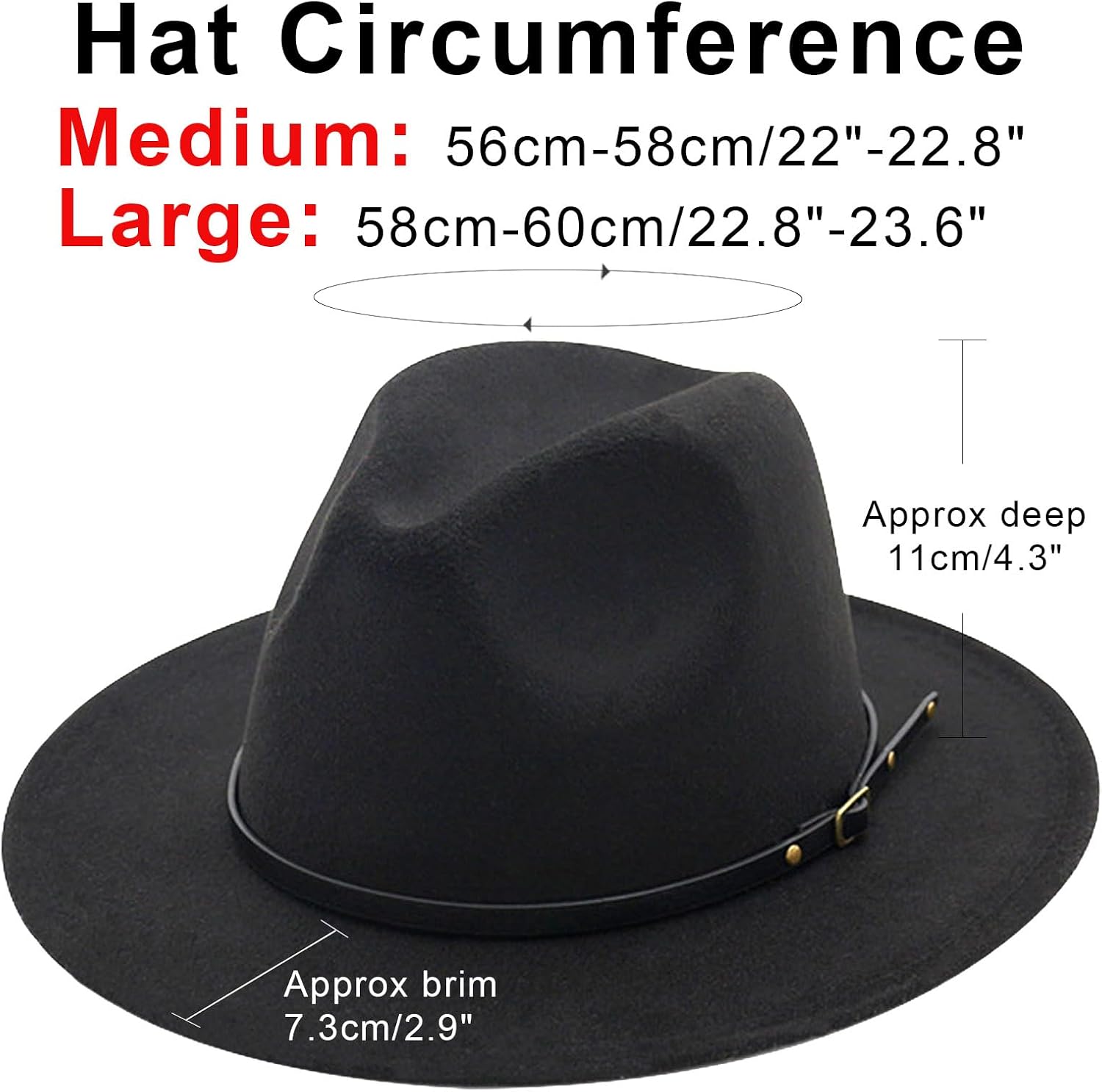
DRESHOW
$18.99
In stock on Amazon
Check price on AmazonThe Style-Forward Step Up
A mid-range felt fedora with a wider 3.5- to 4-inch brim and a swappable grosgrain band sits at the upper edge of this price tier and justifies it through longevity mechanics. The removable band alone extends the hat’s practical life by one to two seasons, since band replacement costs a fraction of hat replacement. Reviewers describing this tier as “soft yet structured” and noting it “exceeds expectations” are signaling material quality that outperforms the price point — the combination of fine surface texture and blocked crown geometry that Harper’s Bazaar identifies as the clearest marker of quality construction.
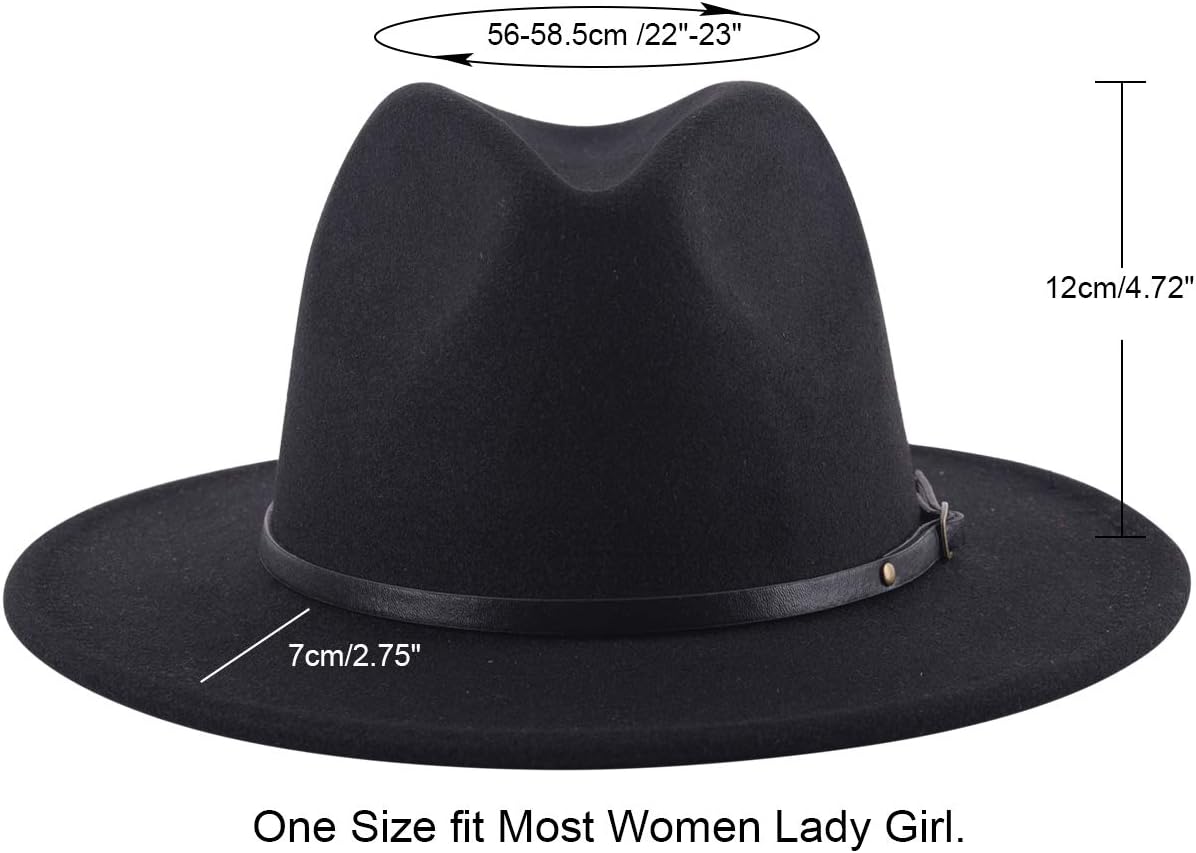
Lanzom
$27.99
In stock on Amazon
Check price on AmazonThe Outlier Durability Case
The upper ceiling in this category — demonstrated by the rare four-year owner update — belongs to a wool felt fedora with a documented record of maintained shape, continued compliments, and no reported pilling or softening across multiple seasons. This outcome is not the planning assumption for any $25–$50 hat, but it establishes that the ceiling is meaningfully higher than most buyers expect. When you encounter a hat with multi-season owner updates rather than only first-wear enthusiasm, that’s worth treating as a shortlist priority.
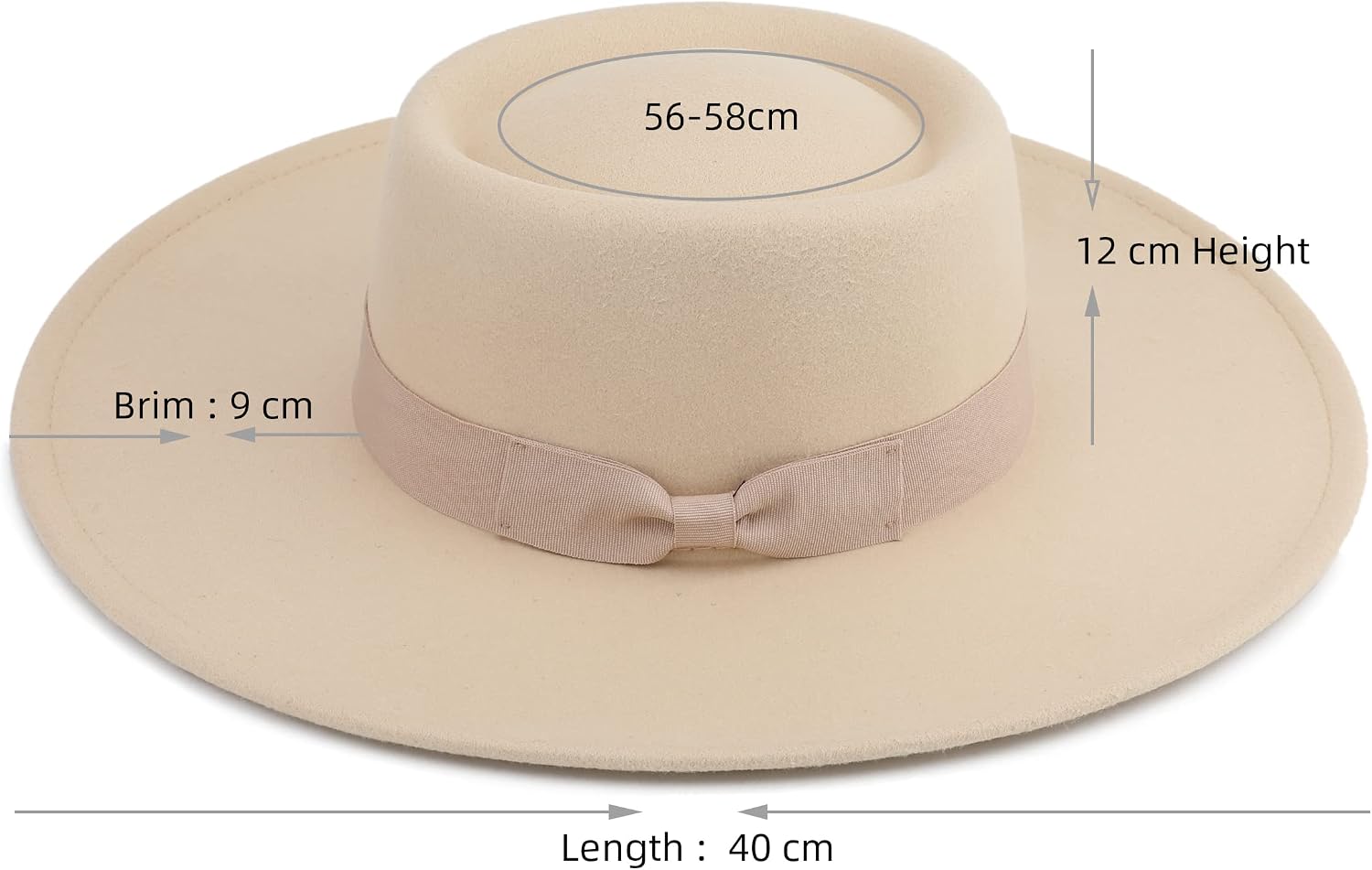
Pro
$36.99
In stock on Amazon
Check price on AmazonFrequently Asked Questions
If a fedora arrives with dents, does that mean it’s low quality or just poorly packed? Usually the latter. Dents from shipping are a packaging failure, not a manufacturing one — particularly if the hat arrived in a flat box rather than a purpose-built hat box. The real quality test is whether the hat reshapes successfully with gentle steam. If it does, the fibers have the density and memory you want. If it doesn’t respond to steaming or re-dents within hours, that’s a genuine quality issue.
How do I know if an interior adjuster string is safe to tighten? Tighten incrementally — one small pull at a time — and check the crown silhouette in a mirror after each adjustment. If the crown starts to look asymmetrical or pinched, you’ve gone too far. Felt has a tolerance limit for tension; the goal is snug contact with the head, not compression. Adjusters work best through gradual calibration across the first few wears rather than a single tightening at the outset.
What does “soft yet structured” actually mean for how a hat wears over time? It means the felt has enough fiber density to maintain its blocked shape through a full day of wear while still having a surface texture that feels refined rather than stiff or papery. A hat that’s only structured will crack and delaminate. A hat that’s only soft will lose its brim line by afternoon. The combination is what determines whether a hat still looks intentional at the end of a long day.
Are swappable hat bands worth looking for at this price point? Yes, particularly if you plan to wear the hat regularly across a full season. The hat band absorbs the most direct wear and sweat, and replacing it is significantly cheaper than replacing the hat. A swappable band extends the effective lifespan of the felt body substantially.
How much does fit variation between brands matter if I’m buying online? It matters more than most buyers expect. A hat that runs even a half-size large will shift, require constant repositioning, and ultimately get worn less — which defeats the purpose of a daily-wear hat. Always measure your head circumference and cross-reference it against the specific brand’s size chart, not a generic size guide, as Wirecutter’s hat-fitting guidance makes clear.
What is a realistic lifespan for a $25–$50 felt fedora with regular wear? One full season of regular wear is the baseline expectation. Two seasons is a good outcome. The four-year outlier reported by at least one long-term owner is genuinely exceptional and shouldn’t be the planning assumption — but it demonstrates that the ceiling for this price tier is higher than most buyers expect when the hat is a good fit and well-maintained.
The Decision Rule
If you’re buying one everyday fedora in this price range: prioritize brands with reshapeability evidence and fit praise in the reviews over brands with only first-wear enthusiasm. A hat that generates “I had to stop myself from ordering every color” responses after a full season of daily wear is worth more than a hat with a hundred five-star first-impression reviews.
If fit runs big per reviews, size down one step or move to a brand with a documented interior adjuster. If the hat arrives dented, steam it before you judge it. And if you find a multi-year owner update on a budget felt hat — pay attention to it. That’s the signal worth following.